
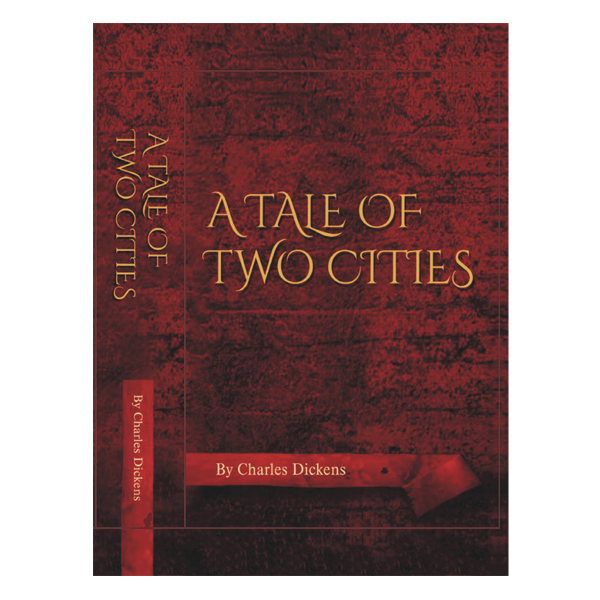
“A Tale of Two Cities” by Charles Dickens, first published in 1859, is a historical novel set during the French Revolution. It explores themes of resurrection, sacrifice, and social justice, contrasting the cities of Paris and London. Through its unforgettable characters and intense plot, the novel delves into the effects of revolution on society and the human condition.
Plot Summary
The novel opens with the release of Dr. Manette, who has been imprisoned for 18 years in the Bastille. He reunites with his daughter, Lucie, who believed him dead. Together, they build a new life in London, where Lucie marries Charles Darnay, a French aristocrat who renounces his title in an effort to distance himself from the violence in France.
However, Darnay is arrested when he returns to France to assist an old servant. He is sentenced to death by guillotine, and the story builds to its dramatic conclusion when Sydney Carton, a cynical English lawyer in love with Lucie, sacrifices himself to save Darnay. Carton takes his place at the guillotine, redeeming himself in an act of profound selflessness.
Themes
The major theme of A Tale of Two Cities is resurrection. Dr. Manette is “resurrected” after his years of imprisonment, and Sydney Carton undergoes a spiritual resurrection through his ultimate sacrifice. His transformation from a disillusioned, self-loathing man into a heroic figure who finds redemption in death is central to the novel’s emotional power.
The novel also emphasizes the contrast between the two cities, Paris and London. Paris represents the chaos and violence of revolution, while London symbolizes order and stability. This duality mirrors the social divisions and injustices that led to the French Revolution, highlighting the costs of both tyranny and rebellion.
Sacrifice plays a key role in the story, especially through Carton’s actions. His willingness to die for Lucie’s happiness marks the climax of the novel, showcasing the power of love and redemption. This sacrifice contrasts with the violence and bloodshed in Paris, emphasizing the theme of personal transformation and the possibility of salvation.
Characters
The characters are integral to the emotional depth of the novel. Lucie Manette embodies love, compassion, and purity, serving as a moral compass for the other characters. Her relationship with Darnay is one of mutual respect and deep affection, providing a stark contrast to the darker elements of the story.
Sydney Carton’s character arc is the most compelling. Initially cynical and indifferent, Carton’s love for Lucie leads him to a heroic act of self-sacrifice. His journey from despair to redemption makes him one of Dickens’s most complex and tragic figures.
Charles Darnay, though noble, is burdened by his aristocratic past. His internal conflict about his heritage adds to the novel’s exploration of social justice and the moral dilemmas faced by individuals during times of upheaval.
Conclusion
“A Tale of Two Cities” is a powerful exploration of love, sacrifice, and revolution. Dickens skillfully weaves themes of personal and societal transformation into a gripping narrative. The contrasts between Paris and London, along with the complex characters, make the novel both thought-provoking and timeless.
Final Verdict: 5/5
This enduring classic offers an unforgettable journey into the heart of human emotion and historical upheaval. Its themes of resurrection, love, and sacrifice make it a must-read for anyone interested in literature that examines the complexities of life and society.