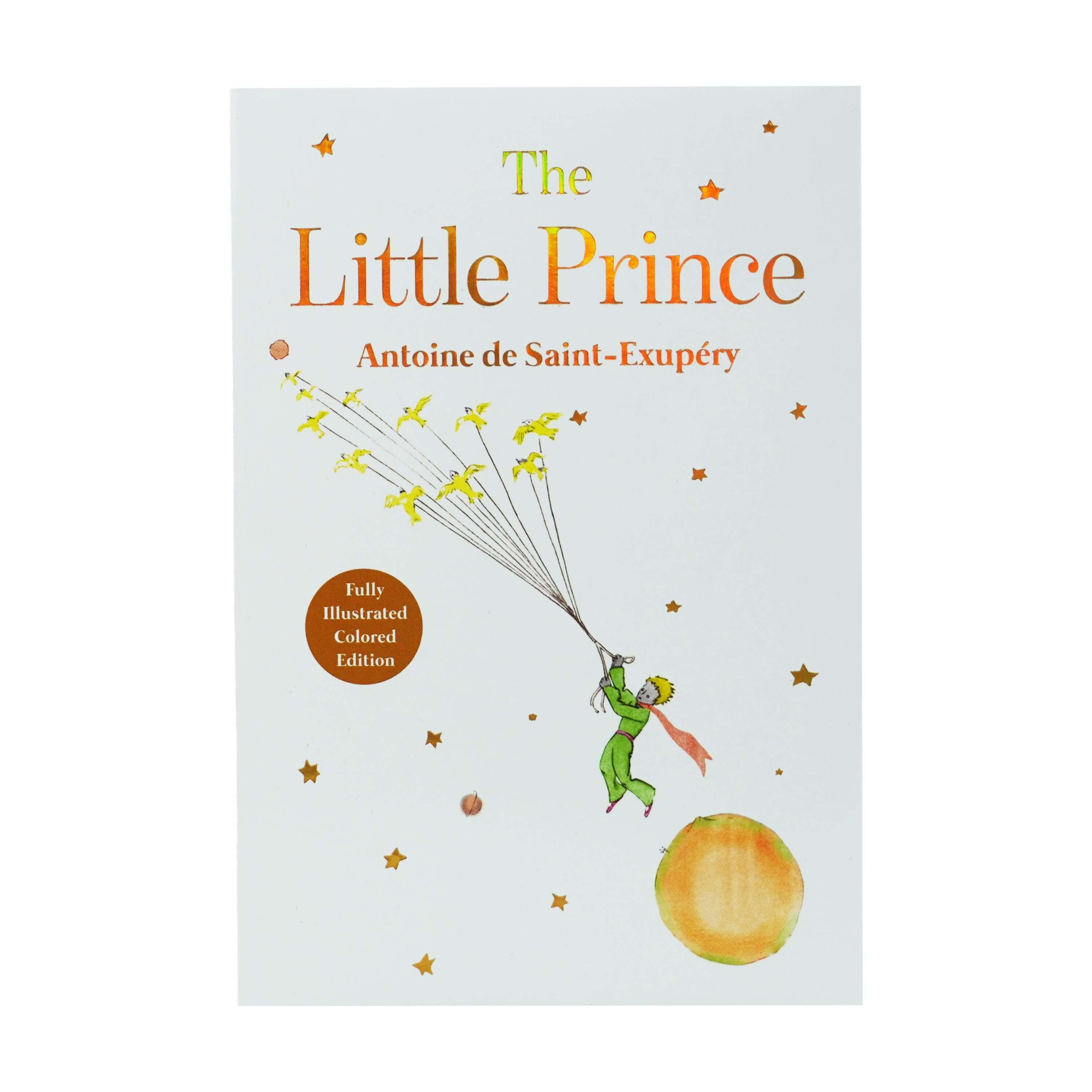
“The Little Prince” by Antoine de Saint-Exupéry is one of those rare books that seems simple at first but leaves a lasting, profound impact. Originally published in 1943, this novella has become a beloved classic, enchanting readers young and old with its tale of adventure, wonder, and deep real life lessons. On the surface, it might appear to be just a children’s story, but beneath its whimsical exterior lies a meditation on life, love, and the nature of human relationships.
A Journey Across the Stars
The story follows a young prince who travels from his tiny home planet to explore the universe. Along his journey, he encounters a series of strange, almost absurd characters—each one embodying a particular aspect of adult society. There’s the king who rules over nothing, the vain man who craves admiration, and the businessman obsessed with counting stars. These characters, while humorous, serve as a reflection of the way adults often lose sight of what’s truly important in life.
As the Little Prince meets these figures, he begins to understand the gap between the clarity of a child’s perspective and the complexities of the adult world. His interactions with them highlight how, in adulthood, we often prioritize material things, status, and control—things that ultimately fail to bring lasting happiness.
The Heart of the Story
However, the most important relationship the Little Prince forms is with a fox, who teaches him one of the central messages of the book: “One sees clearly only with the heart. What is essential is invisible to the eye.” This powerful lesson echoes throughout the story. It encourages readers to look beyond the superficial and recognize the deeper, intangible qualities in life that give it meaning—such as love, kindness, and connection. This idea is also reflected in the Little Prince’s bond with his rose, who he learns to cherish despite her imperfections.
This underlying message speaks to both children and adults alike. For children, it encourages them to embrace their imagination, creativity, and sense of wonder. For adults, it serves as a reminder of the things we often overlook in our busy lives—relationships, love, and the beauty of the simple moments.
A Beautifully Illustrated Classic
What makes The Little Prince even more magical are the illustrations that accompany the text. Saint-Exupéry’s delicate watercolors add an extra layer of charm to the book, perfectly complementing the story’s themes. The iconic image of the Little Prince with his flowing scarf, standing by his rose, has become a symbol of innocence and heartfelt wisdom. The illustrations don’t just decorate the pages—they convey emotions, making the book a richer experience.
Why It Still Resonates
The Little Prince is not just for children. It’s a story for anyone who has ever felt the sting of growing up and losing sight of the things that matter most. The lessons in this book are timeless, reminding us to stay true to our hearts, to cherish the invisible, and to seek out meaningful connections in a world that often values material wealth and status over true love and understanding.
This is a book you can return to time and time again, finding new insights with each reading. Whether you’re revisiting it as an adult or reading it for the first time, The Little Prince continues to inspire and remind us all of the importance of seeing the world with the eyes of a child.
Final Verdict: 5/5
A beautifully written, illustrated, and meaningful story that will stay with you long after you’ve turned the final page.