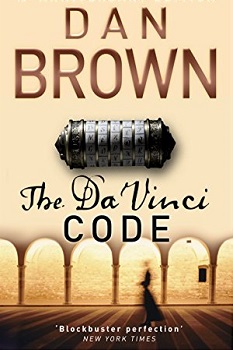
“The Da Vinci Code” by Dan Brown, published in 2003, became an instant worldwide bestseller, blending historical mysteries, religious symbolism, and thrilling action. The novel follows symbologist Robert Langdon as he uncovers secrets hidden in the works of art, leading to a conspiracy that could change the course of history. A fast-paced, intelligent thriller, the book has sparked both intrigue and controversy, especially for its portrayal of religious history and symbols.
A Thrilling Mystery
The plot of The Da Vinci Code begins with the murder of the curator of the Louvre, Jacques Saunière, who leaves behind cryptic clues that Langdon and cryptologist Sophie Neveu must solve to uncover a hidden secret. Their investigation takes them across Europe, as they decode puzzles and confront religious and historical mysteries. The suspense builds with each clue, revealing an ancient conspiracy involving the Catholic Church, the Knights Templar, and the hidden truth about the Holy Grail.
Historical and Religious Controversy
At the heart of the novel lies its controversial exploration of Christianity and religious history. Brown weaves together art, religion, and history to suggest that many well-known religious truths are fabrications, particularly regarding the role of women in religious history. The idea that Mary Magdalene was married to Jesus and that their descendants are hidden in plain sight raises questions about traditional Christian narratives. This premise has led to significant debates, making the novel a provocative read for those interested in religious and historical mysteries.
Characters and Relationships
The main characters, Robert Langdon and Sophie Neveu, are engaging and relatable. Langdon’s intellectual brilliance contrasts with Sophie’s emotional and personal motivations, creating a dynamic and balanced partnership. Their evolving relationship forms the emotional core of the novel, even as they dive deeper into the complex conspiracy surrounding Saunière’s murder. While Langdon is the intellectual lead, Sophie brings her own expertise, making their team effective and intriguing.
Symbolism and Codes
A hallmark of The Da Vinci Code is its focus on symbolism, puzzles, and codes. Brown intricately links famous works of art, particularly those of Leonardo da Vinci, to the unfolding mystery. The interpretation of religious symbols, secret messages hidden in famous paintings, and the decoding of ancient texts add layers of intrigue to the story. Brown’s ability to merge real-world art and history with fictional elements enhances the suspense and creates a unique blend of fact and fiction that keeps readers turning pages.
Criticism and Controversy
While The Da Vinci Code captivated millions with its fast-paced narrative, it has also faced criticism for its historical inaccuracies and portrayal of religious figures. Many scholars and religious groups have challenged Brown’s interpretations of history and religion. Critics argue that the novel presents a fictionalized version of history as fact, leading to confusion and misinterpretation of important historical events.
Conclusion
The Da Vinci Code is a gripping and controversial thriller that offers a mix of historical intrigue, religious speculation, and suspense. Brown’s storytelling skills make it an engaging read, and the plot twists keep readers on edge. However, its controversial take on religious history may not be for everyone, particularly those who hold traditional beliefs. Whether you agree or disagree with its theories, the book’s impact on popular culture is undeniable.
Final Verdict: 4/5
The Da Vinci Code is a must-read for fans of thrillers and mystery novels. Its fast-paced action, compelling characters, and intriguing puzzles make it an entertaining and thought-provoking read, despite its historical inaccuracies and controversial themes.