
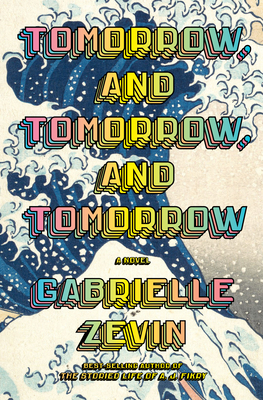
Gabrielle Zevin’s Tomorrow, and Tomorrow, and Tomorrow is a poignant and ambitious novel that explores the intersections of friendship, creativity, and the human experience. Set against the backdrop of the gaming industry, the story follows two childhood friends whose shared passion for video games leads them into a decades-long partnership filled with triumphs, heartbreaks, and betrayals. This is a novel that goes beyond its premise to delve into what it means to create, connect, and endure.
Plot Overview
The story begins when Sam Masur and Sadie Green reconnect in a chance encounter at a train station. Once inseparable as kids, their relationship fractured years ago but is rekindled through their mutual love for gaming. Together, they embark on a journey to create video games, forming Unfair Games, a studio that skyrockets them to fame. As their professional success grows, personal challenges arise, testing their friendship, creative vision, and individual identities.
Character Development
Sam and Sadie are deeply complex characters whose emotional journeys are the heart of the novel. Sam, grappling with physical and emotional pain from a traumatic accident, often seeks solace in his work. Sadie, a fiercely intelligent but guarded figure, struggles with self-worth and the pressures of living up to expectations. Their relationship is nuanced and realistic, showcasing the complexities of friendship and the blurred lines between love and partnership. The supporting characters, particularly Marx Watanabe, add richness to the narrative, offering different perspectives on loyalty and ambition.
Themes and Emotional Resonance
At its core, Tomorrow, and Tomorrow, and Tomorrow is about creation and the bonds formed through shared passions. Zevin explores themes of collaboration, identity, and the search for meaning in an ever-changing world. The title itself, drawn from Shakespeare’s Macbeth, echoes the novel’s meditations on time, legacy, and the cycles of life. Through Sam and Sadie’s experiences, Zevin captures the joy and pain of creating art and the inevitable imperfections in human connections.
World-Building and Cultural Commentary
The gaming industry serves as both a backdrop and a metaphor, illustrating the immersive and often isolating nature of creative work. Zevin masterfully balances technical insights into game design with universal themes, making the story accessible to both gamers and non-gamers alike. The novel also provides a subtle critique of societal issues, including gender dynamics, disability, and cultural representation in media.
Writing Style and Pacing
Zevin’s prose is elegant and evocative, seamlessly shifting between poignant introspection and moments of levity. The nonlinear narrative allows readers to explore the characters’ backstories while advancing the central plot. Though the pacing slows in some parts, these quieter moments enhance the emotional depth of the story.
Strengths and Weaknesses
The novel’s strengths lie in its richly drawn characters, emotional authenticity, and thought-provoking themes. While some readers may find the gaming references niche, they are skillfully woven into the story and enhance its universal appeal.
Conclusion
Tomorrow, and Tomorrow, and Tomorrow is a beautifully crafted novel that celebrates the power of creativity and the resilience of human relationships. Gabrielle Zevin delivers a moving and thought-provoking narrative that lingers long after the final page.
Rating: 4.5/5
For its profound exploration of friendship, art, and the human condition, Tomorrow, and Tomorrow, and Tomorrow is a must-read for lovers of literary fiction and stories about the complexities of connection.