If you’re dreaming of publishing a book but know you can’t write it all yourself, hiring a ghostwriter can be the perfect solution. Yet finding the right ghostwriter — someone who truly understands your vision and writes fluently in your genre — is more complex than many first realize.
Choosing the wrong ghostwriter risks ending up with a manuscript that feels flat, inauthentic, or that completely misses the expectations of your target audience. But finding the right professional? That can bring your story or expertise to life and help your book stand out on shelves.
This guide explores why genre matters so much, where to search, how to evaluate candidates, and how to manage the collaboration successfully — ensuring the final book feels genuinely yours.
Why Genre Fit Really Matters
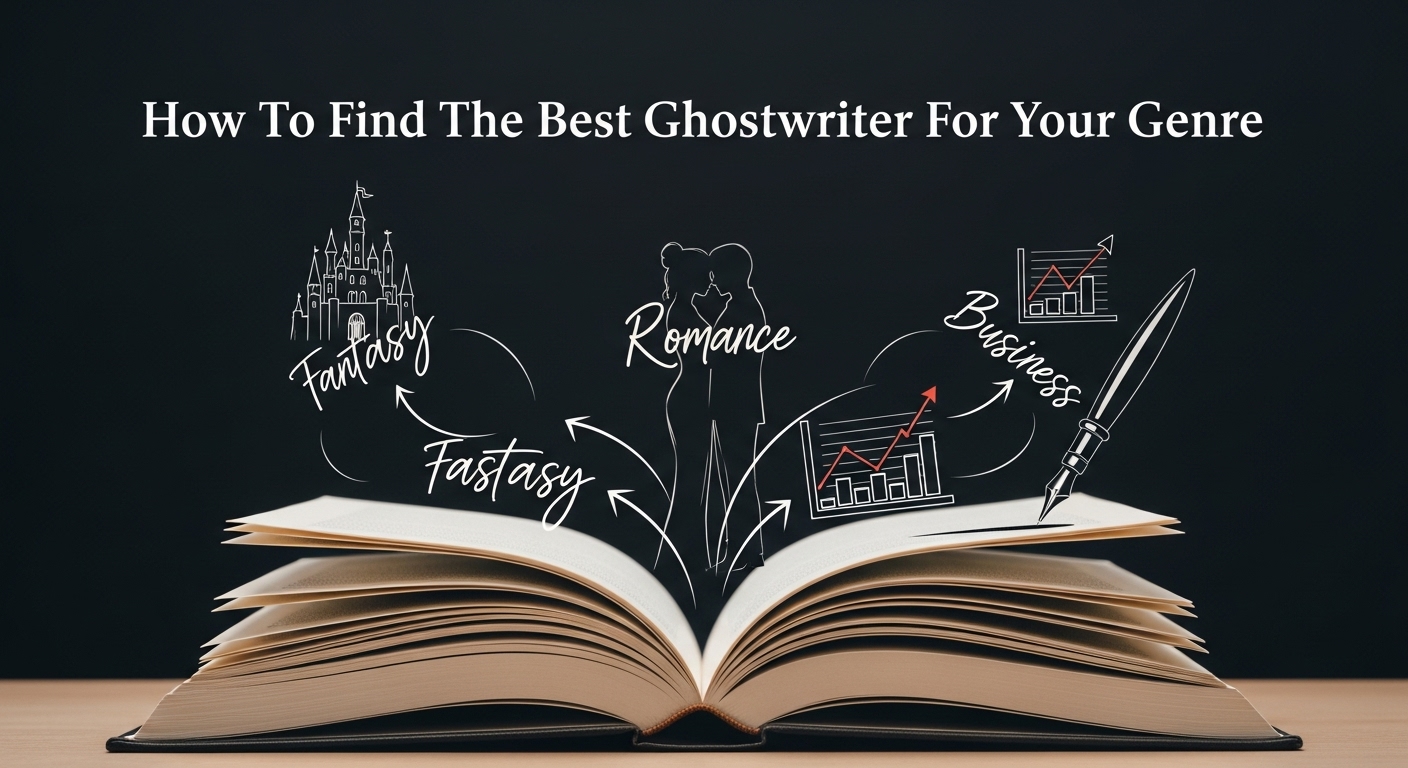
Every genre has its unwritten rules, audience expectations, and storytelling approaches. A biography isn’t structured like a romance novel; a business book won’t read like a thriller. Ghostwriters who have worked within your genre before will already know what readers expect — pacing, tone, vocabulary, and even structural elements.
For example:
- Memoir: Needs emotional honesty, well-crafted narrative arcs, and sensitivity to personal storytelling.
- Thriller or crime novel: Requires building suspense, clever plot twists, and believable stakes.
- Business or self-help: Must balance authority with clarity, offer actionable advice, and keep readers engaged.
- Fantasy or sci-fi: Demands strong world-building, consistent internal logic, and often complex character arcs.
- Children’s books: Must use age-appropriate language, pacing, and often rhythm or rhyme.
Hiring someone unfamiliar with your genre may mean missing key elements readers expect — and that can cost you your audience’s trust.
Define Your Project Clearly First
Before you even contact ghostwriters, get specific about what you need. This saves time, money, and helps you find a writer whose strengths match your goals.
Write down:
- Genre and subgenre: Is it a historical romance, urban fantasy, or health guide?
- Word count range: A 50,000-word business book differs from a 90,000-word novel.
- Target audience: Age, interests, and reading level.
- Voice and tone: Casual, professional, humorous, formal?
- Purpose: Are you building your brand, sharing your life story, or entertaining readers?
- Timeline: Your ideal publishing schedule.
Having this clarity helps ghostwriters evaluate if they’re truly the right fit — and gives them the information needed to quote accurately.
Where To Look for the Right Ghostwriter
The best ghostwriters rarely advertise widely, but there are several reliable ways to find them:
Professional Agencies
Agencies typically have rosters of ghostwriters covering multiple genres. They’ll listen to your needs and recommend writers whose background aligns. While agencies can cost more, they do much of the vetting for you.
Freelance Platforms
Large freelance marketplaces let you browse thousands of writer profiles. You can search by genre, read reviews, and message writers directly. It takes effort to vet candidates, but you may discover hidden gems.
Referrals
One of the most effective methods. Ask editors, publishing consultants, or fellow authors who’ve published in your genre. Many ghostwriters rely on referrals because they don’t advertise publicly.
Writing Communities
Attend writers’ conferences, local workshops, or join online groups focused on your genre. You might meet ghostwriters directly or connect with people who know them.
How To Evaluate Ghostwriters for Your Genre
Once you have a list, you’ll need to narrow it down. Here’s what to check:
Review Their Genre-Specific Samples
Ask to see work they’ve written in your genre. Even if it’s under NDA, many ghostwriters can share anonymized samples or titles where they’re acknowledged. See if the writing style matches what you imagine for your book.
Understand Their Process
Ask how they approach projects:
- Do they interview you and build from those sessions?
- Will they provide detailed outlines first?
- How often will you review drafts?
Matching collaboration styles avoids frustration later.
Check Experience and Background
For nonfiction, ghostwriters with subject knowledge can add depth and accuracy. For fiction, look for writers experienced in character development, dialogue, and plotting.
Communication and Rapport
Your project might take months to complete. Choose someone who listens carefully, asks insightful questions, and feels genuinely invested in your idea.
Discuss Practical Details Up Front
Transparency prevents problems later. Make sure you discuss:
- Fees and payment schedule: Per word, per project, or hourly; with milestones.
- Timeline: Draft delivery dates and revision windows.
- Ownership: You should retain full copyright; it’s standard in ghostwriting.
- Confidentiality: Reputable ghostwriters sign NDAs.
- Number of revisions included: Clarify so you’re not surprised by extra charges.
If possible, get all this in a written agreement.
Consider a Paid Sample
Many authors ask ghostwriters to draft a paid sample chapter or section before committing to a full manuscript. This lets you see if:
- The writer captures your voice
- They understand your genre’s tone
- You enjoy the collaboration process
If the sample feels right, you can confidently move forward.
Stay Involved in the Writing Process
Hiring a ghostwriter doesn’t mean disappearing. Even the best writers need your insights.
Stay engaged by:
- Providing honest, constructive feedback
- Sharing outlines, voice notes, or reference materials
- Answering questions about characters, themes, or message
The more you participate, the more the final work sounds like you.
Complementary Professionals Add Value
Beyond your ghostwriter, professional support helps transform drafts into a publish-ready book:
- Developmental editor: Helps shape structure and story flow.
- Copyeditor: Fixes grammar, style, and clarity.
- Proofreader: Catches small errors before printing.
- Publishing consultant: Guides marketing, design, and publishing choices.
Even if your ghostwriter is excellent, this extra polishing ensures a professional finish.
Red Flags to Watch Out For
Avoid ghostwriters who:
- Refuse to share any writing samples
- Offer extremely low fees (good writing takes time)
- Promise unrealistically fast turnarounds
- Don’t ask thoughtful questions about your book
The right ghostwriter will show curiosity and respect for your vision.
Conclusion: Invest in the Right Ghostwriter, Honor Your Story
Choosing a ghostwriter is about more than outsourcing words — it’s about finding a creative partner. Someone who understands your genre, respects your voice, and can transform your ideas into a manuscript readers can’t put down.
By defining your project clearly, searching thoughtfully, evaluating samples, and communicating openly, you greatly increase the odds of success. You won’t just get a book; you’ll get your book — told in your voice, shaped by your vision, and crafted to resonate with your audience.
That’s the power of the right ghostwriter: turning what you imagine into words readers love.
FAQs
Q: Can ghostwriters cover any genre?
A: Some do, but it’s best to hire one experienced in your genre to meet audience expectations.
Q: Is it expensive to hire a ghostwriter?
A: Costs range widely based on genre, length, and experience — from several thousand to tens of thousands.
Q: Will the ghostwriter be credited?
A: Usually no; the work is under your name, but you can choose to credit them if you want.
Q: What if I don’t like the draft?
A: Most contracts include revisions. Good ghostwriters value feedback and will adjust the manuscript.
Q: How long does ghostwriting take?
A: Depending on length and complexity, anywhere from a few months to a year or more.