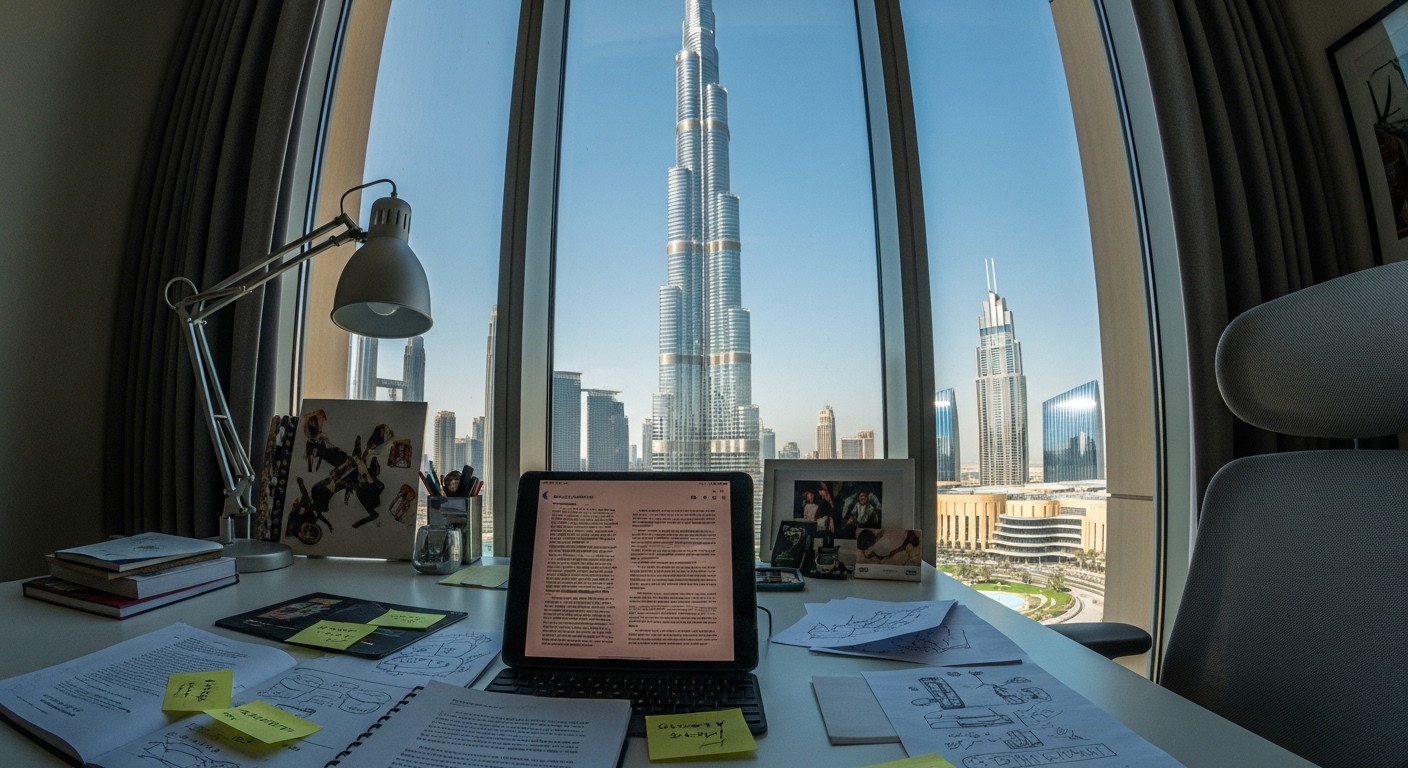
Self-publishing has transformed the literary world, giving writers across the globe the freedom to share their stories without relying on traditional publishing houses. In the United Arab Emirates (UAE), a country with a growing literary culture and increasing digital readership, self-publishing is becoming an increasingly attractive path for aspiring authors. Whether you’re a novelist, a business writer, or a poet, understanding the local publishing landscape is crucial. This comprehensive guide walks you through the essential steps and considerations involved in self-publishing a book in the UAE.
Understanding Self-Publishing in the UAE
Self-publishing means that the author takes full control of the publication process, including editing, formatting, cover design, printing, distribution, and marketing. In return, the author retains full rights and earns a higher share of royalties. In the UAE, while the self-publishing movement is still growing, it’s fully possible with the right approach and awareness of local laws and cultural sensitivities.
The Complete UAE Self-Publishing Roadmap
Step 1: Decide What You Want to Publish
Before diving into the publishing process, define the type of book you are writing. Will it be:
- A fiction novel or short story collection?
- A business or self-help book?
- A children’s book?
- A poetry collection?
- A memoir or autobiography?
The genre and audience you’re writing for will influence your design, layout, and marketing strategies later on.
Step 2: Write and Revise Your Manuscript
Writing the manuscript is just the beginning. Once your first draft is complete:
- Revise and Self-Edit: Go through multiple drafts. Read your book aloud to check flow and clarity.
- Get Feedback: Consider having beta readers provide early feedback.
- Professional Editing: While not mandatory, a professional editor can significantly improve your book’s grammar, structure, and readability.
In the UAE, where readers come from a wide range of linguistic and cultural backgrounds, clarity and coherence are especially important.
Step 3: Cultural Sensitivity and Legal Considerations
Publishing in the UAE requires an understanding of the country’s laws and cultural expectations. Topics that are acceptable in other countries might be restricted or banned here.
Key Considerations:
- Avoid content that criticizes religion, government, or culture.
- Be mindful of portrayals of gender, sexuality, or politics.
- Ensure the language is appropriate for your target audience.
Before going public, it is often recommended to seek legal advice or review local publication guidelines to avoid penalties or censorship.
Step 4: Obtain ISBN and Legal Deposits
An International Standard Book Number (ISBN) is essential for tracking and selling your book. In the UAE, this can usually be obtained through local publishing authorities or by partnering with a regional distributor.
You may also need to:
- Register your book with the National Media Council (NMC) or the UAE Ministry of Culture and Youth.
- Apply for a publication license.
- Submit copies for deposit if required.
Legal registration helps you protect your intellectual property and ensures your book can be sold in bookstores and online platforms operating in the region.
Step 5: Design the Interior and Cover
A professionally designed book stands out. Good design enhances reader experience and increases credibility.
Interior Layout Tips:
- Use readable fonts and clear chapter headings.
- Ensure consistent margins and spacing.
- Format for both print and digital if needed.
Cover Design Tips:
- Design a cover that matches your genre.
- Avoid imagery or symbolism that could be culturally insensitive.
- Include the title, author name, and ISBN (if printed).
If you’re unfamiliar with design software like InDesign or Canva, consider hiring a professional designer with experience in the regional market.
Step 6: Choose Your Publishing Format
You can publish your book in one or more formats:
Print Books:
Print books still enjoy popularity in the UAE, especially in Arabic and English. You can:
- Use local printers.
- Opt for print-on-demand services.
- Distribute through regional bookstores.
Ebooks:
Digital books are accessible and cost-effective. Make sure your ebook is:
- Properly formatted (ePub or MOBI).
- Compatible with major platforms like Kindle, Apple Books, and Google Play.
Audiobooks:
Though not essential, audiobooks are gaining traction in the UAE, especially among commuters.
Step 7: Choose a Publishing Platform
Once your book is ready, decide how you want to publish it:
- Self-host your book on your personal website.
- List it with major ebook platforms (like Amazon or Kobo).
- Print and sell copies through local independent bookstores or online retailers.
Some platforms also offer distribution to bookstores across the Middle East.
Step 8: Market Your Book
Publishing is only half the journey—marketing ensures your book reaches its intended audience.
Build Your Author Brand:
- Create an author website or blog.
- Maintain social media presence (LinkedIn, Instagram, TikTok, etc.)
- Share your writing process, book snippets, and behind-the-scenes content.
Local Marketing:
- Organize book signings at cafes or community centers.
- Collaborate with UAE-based literary influencers.
- Participate in local literary events, like the Emirates Airline Festival of Literature.
Online Strategies:
- Run ads on Facebook, Instagram, or Google tailored to UAE demographics.
- Get reviews from readers, bloggers, and niche book communities.
- Use targeted email marketing if you have a mailing list.
Step 9: Distribute and Sell Your Book
Consider multiple channels for distribution:
- Physical Stores: Some bookstores accept self-published books on consignment.
- Online Platforms: Use major global and regional platforms.
- Local Events: Sell your book at art fairs, book expos, or university events.
Keep track of inventory, customer feedback, and sales data to plan your next steps or future publications.
Step 10: Keep Growing as an Author
Self-publishing in the UAE is not just about releasing one book—it can be the beginning of a long, rewarding creative journey.
Continue to:
- Learn from reader feedback.
- Attend writing workshops or author meetups.
- Publish regularly or work on a series.
- Collaborate with editors, illustrators, and translators.
Many authors in the UAE go on to translate their works into Arabic or English to reach broader audiences.
Final Thoughts
Self-publishing a book in the UAE is a rewarding yet detailed process that combines creativity with business acumen. While it offers creative freedom and full ownership, it also demands careful attention to legal, cultural, and market factors. From writing and editing to design and distribution, every step shapes your journey as an independent author.
With a thoughtful approach and a clear understanding of the local landscape, your self-publishing journey in the UAE can be both successful and fulfilling.
FAQs
Q1: Can I publish a book in English in the UAE?
Yes, both English and Arabic books are published in the UAE. English books are widely read, especially among expatriates.
Q2: Do I need government approval to self-publish in the UAE?
Yes. For physical books, registration and a license from the National Media Council or the Ministry of Culture may be required.
Q3: Can I make money from self-publishing in the UAE?
Absolutely. With effective marketing and distribution, many authors generate income through print sales, ebooks, and audiobooks.
Q4: Is self-publishing expensive in the UAE?
Costs vary depending on the level of professional support you use (editing, design, marketing). Print-on-demand and ebooks help keep costs manageable.
Q5: Can I self-publish anonymously or under a pen name?
Yes, but legal paperwork must reflect your real identity, even if your book carries a pen name.