People with a strong interest in human behavior or professional backgrounds in psychology often consider writing a book to share their knowledge. Whether you’re a licensed psychologist, an academic researcher, or a psychology enthusiast with a unique perspective, a psychology book can be a powerful way to inform, inspire, or even transform others.
However, writing a psychology book is a unique challenge. Unlike fiction or general nonfiction, psychology books demand a careful balance of scientific accuracy, accessibility, and credibility.
Let’s walk through the process of how to write a psychology book—from clarifying your niche to researching, structuring, and getting published.
Who Should Write a Psychology Book?
Technically, anyone can write a book. But when it comes to psychology, your background matters.
If you have a degree in psychology or a related field, especially an advanced one (like a Ph.D. or Psy.D.), your work is likely to be taken more seriously—especially in academic and professional circles.
That said, not all psychology books are textbooks. Many successful books in this space are written by journalists, educators, coaches, or even curious thinkers who dive deep into psychological principles and present them in relatable ways.
If you’re passionate about psychology and committed to accuracy, you can write a book. The key is to be honest about your qualifications and back up your claims with solid research.
Types of Psychology Books
Before you start writing, it’s helpful to understand the different kinds of psychology books you might create:
- Textbooks – Designed for educational settings, often comprehensive and research-based
- Pop Psychology Books – Written for general audiences; focus on everyday psychological topics
- Self-Help Books – Offer psychological strategies for personal growth, relationships, or habits
- Academic Books – In-depth, peer-reviewed work meant for professionals and researchers
- Resource or Guidebooks – Step-by-step or reference-style books on topics like therapy methods, trauma care, or child psychology
Deciding which type of book you want to write will determine your tone, structure, and publishing route.
The Essential Process to Writing Your Psychology Book
Step 1: Choose Your Niche
Psychology is a massive field. If you want your book to stand out, you need to focus on a specific topic or angle.
Ask yourself:
- What area of psychology am I most qualified to talk about?
- Is there a problem people face that I can help solve?
- What unique angle can I bring that hasn’t been fully explored?
For example, a licensed therapist might write about trauma recovery techniques, while a researcher might cover the psychology of decision-making.
Some popular niches include:
- Habits and behavior change
- Emotional intelligence
- Child development
- Mental health and well-being
- Relationships and communication
- Sleep science
- Cognitive biases and heuristics
Tip: Research what’s already on the market and look for gaps or unique perspectives you can offer.
Step 2: Define Your Audience
Once you have your topic, it’s time to figure out who you’re writing for. Your audience will influence your tone, language, and structure.
Examples of target audiences:
- General public: Keep it accessible, story-driven, and practical
- Students: Balance clarity with depth; include visuals or summaries
- Clinicians or professionals: Use appropriate jargon, studies, and frameworks
- Other researchers: Focus on data, methodology, and citations
If your audience is broad, make sure your writing style is inclusive. Don’t assume prior knowledge unless you’re writing for a specialized group.
Step 3: Establish Your Credibility
In the world of psychology books, credibility is crucial.
There are two main ways to build credibility:
- Your professional background or academic credentials
- The quality of your research and the authority of your references
Even if you’re not a psychologist, you can still write a compelling book if:
- You interview experts
- Reference peer-reviewed studies
- Provide transparent sourcing
- Share real-life stories or case studies (with permission and ethical consideration)
Credibility also means being humble and ethical. Don’t make medical claims unless you’re qualified. Avoid oversimplifying complex conditions.
Step 4: Research Thoroughly
Psychology is a science. Even if you’re writing a self-help book, you need to base your claims on evidence.
Make time to:
- Read journal articles (use databases like PsycINFO or PubMed)
- Gather data and statistics
- Highlight conflicting viewpoints
- Interview subject-matter experts if possible
Organize your research using a system (e.g., digital notebooks, citation software like Zotero, or spreadsheets). As you gather material, always keep your reader’s perspective in mind. Translate complex ideas into relatable, digestible content.
Step 5: Create a Book Outline
A strong structure helps keep your writing focused and organized. Your outline will depend on the type of book you’re writing.
For a self-help or pop psychology book, consider the following structure:
- Introduction – State the problem and your promise
- Foundations – Explain the science or theory behind your method
- Main content – Offer strategies, tips, and examples
- Conclusion – Summarize the journey and call the reader to action
For a textbook or academic book:
- Include learning objectives, chapter summaries, diagrams, and references
- Organize content by concept or theoretical framework
Spend time refining your outline before you begin writing—it’s your roadmap.
Step 6: Write Your Manuscript
Now comes the most time-consuming part—writing. Aim to write consistently, even if it’s just a little each day.
A few tips:
- Start with a messy first draft. Don’t get stuck on perfection.
- Use examples and stories to bring abstract ideas to life
- Simplify language without dumbing it down
- Include citations where needed, especially for data, studies, or definitions
- Break up long sections with subheadings, bullet points, or summaries
And remember: writing is revising. Don’t be afraid to rework sections once you’ve gotten feedback or let them sit for a few weeks.
Step 7: Edit, Revise, and Beta Test
After the first draft, take a break, then come back with fresh eyes. Here’s what you should do next:
- Self-edit for clarity, flow, and structure
- Fact-check everything, especially quotes, stats, and claims
- Hire a professional editor—particularly for psychology, where tone and accuracy matter
- Use beta readers in your target audience to see what resonates and what confuses
Be open to feedback. If multiple people get stuck on the same point, revise it.
Step 8: Decide How to Publish
You have two main options for publishing:
Traditional Publishing
Pros:
- More credibility in academic/professional circles
- Help with editing, design, and distribution
- Possibility of wider exposure
Cons:
- Competitive and slower
- Requires a literary agent or book proposal
- Less creative control
Self-Publishing
Pros:
- Full control over content and design
- Faster timeline
- Higher royalties
Cons:
- Must handle your own marketing
- Need to hire your own editor/designer
- Can be harder to gain credibility
Choose the path that fits your goals, timeline, and budget.
Examples of Successful Psychology Books
Here are some standout books across different sub-genres of psychology:
Self-Help & Pop Psychology Books
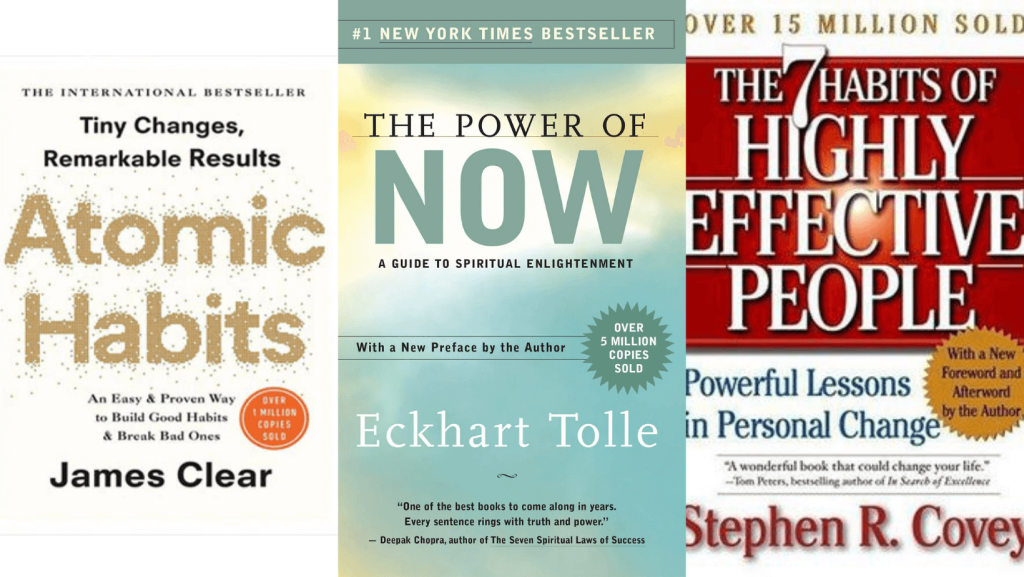
- “Atomic Habits” by James Clear – Behavioral psychology made practical
- “The Power of Now” by Eckhart Tolle – A blend of psychology and mindfulness
- “The 7 Habits of Highly Effective People” by Stephen Covey – Psychology in daily life
Informative Books
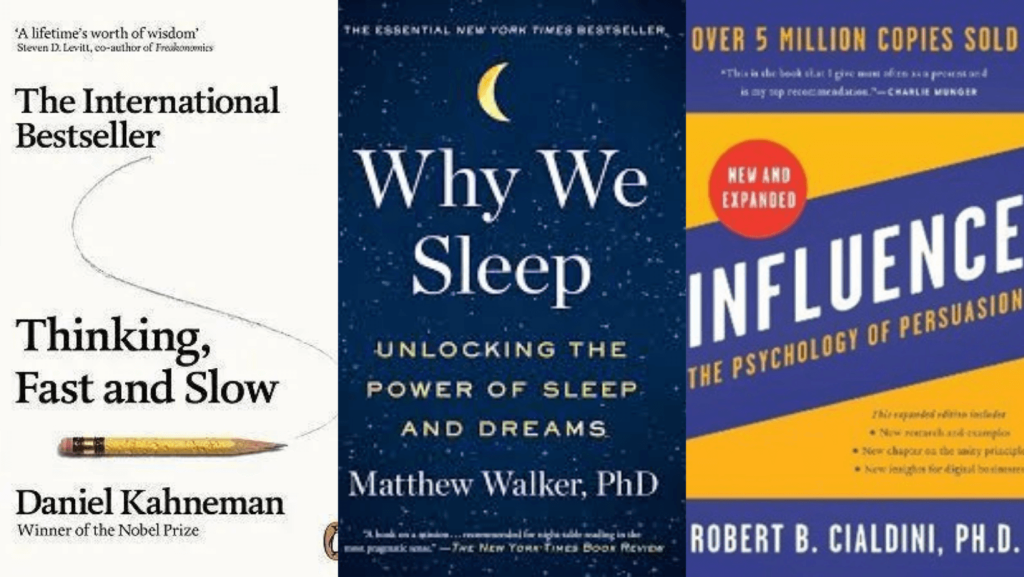
- “Thinking, Fast and Slow” by Daniel Kahneman – A deep dive into cognitive psychology
- “Why We Sleep” by Matthew Walker – Neuroscience and its everyday application
- “Influence” by Robert Cialdini – The psychology of persuasion and social behavior
Academic & Textbooks
- “Psychology” by Ciccarelli & White – Introductory college-level text
- “Psych 101” by Paul Kleinman – A concise overview of psychology basics
- “Cognitive Psychology: A Student’s Handbook” by Michael W. Eysenck – Used in many university programs
Ready To Write Your Book?
If you are ready to write your book, you will not want to miss out on our consultation to walk you through the steps to writing a book that stands out. After consultation, reach out to the team at Publishing – we’d be happy to pair you with a book writing coach who specializes in nonfiction. They’ll help you write and publish the book you’ve always wanted to!
It is one thing to write a book but it is another to write one that will have an impact on people and will be something people want to read.