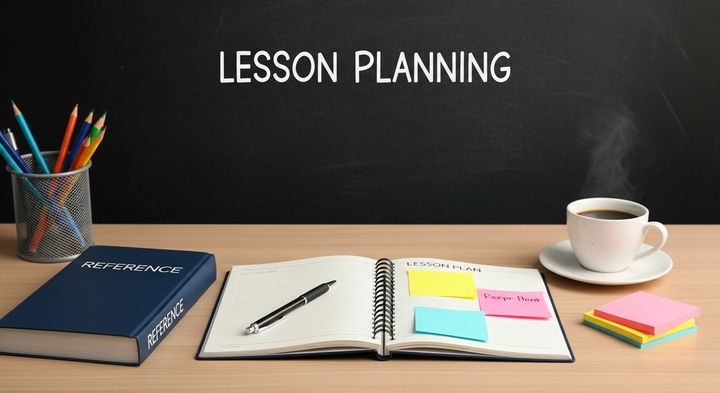
Creating a strong lesson plan is essential for delivering effective instruction. One key component that often gets overlooked or misunderstood is the inclusion of reference books. When correctly written, reference books in a lesson plan support teaching objectives, provide credibility, and help align content with curriculum standards. This article will guide you through understanding what a reference book is in the context of a lesson plan, why it’s important, and how to properly write it in a professional and educationally sound way.
Understanding the Role of Reference Books in a Lesson Plan
A reference book in a lesson plan serves as a credible source that supports the content being taught. These are not just any books, but curated academic, subject-specific, or curriculum-approved materials that reinforce learning objectives. Teachers list them to:
- Demonstrate alignment with educational standards.
- Support the teacher’s subject knowledge.
- Guide students in further reading or research.
- Show evaluators that the content is rooted in scholarly sources.
The reference book acts like a backbone to the lesson, ensuring both the teacher and students have access to trusted information.
Choosing the Right Reference Books
Before writing the reference section, it’s crucial to choose the right books. Here’s how:
-
Curriculum Alignment
Ensure the reference book is aligned with your national or regional curriculum. Many education departments provide lists of approved books or recommended reading material.
-
Grade and Age Appropriateness
A book suitable for Grade 12 will likely overwhelm Grade 5 students. Always assess the readability, complexity, and relevance of the book’s language and concepts.
-
Subject Relevance
Choose books that specifically address the topic or lesson theme. For instance, a lesson on the water cycle in science should reference a general science textbook or an environmental science guide, not a geography atlas.
-
Authenticity and Credibility
Use books published by trusted academic publishers, authored by experts in the field, and preferably peer-reviewed. Avoid overly commercial or general books that lack academic depth.
Where to Include Reference Books in a Lesson Plan
Different institutions may follow varying formats, but typically, the reference book appears in:
– Materials/Resources Section
Here, teachers list all materials used in the lesson, including textbooks, charts, AV aids, and reference books. Example:
Textbook: Science for Class 6 by Oxford University Press
Reference Book: “Understanding Earth Processes” by Dr. Sarah Malik, Academic Publications, 2018
– At the End in a References Section
Like a bibliography in a report, this section may contain a more detailed citation format.
– Within Objectives or Content Explanation
Sometimes, teachers cite a reference book to back up a specific teaching point or fact.
Step-by-Step: How to Write Reference Book Details in a Lesson Plan
Here’s a structured method to write the reference book section professionally:
Step 1: Use Proper Citation Style (APA/MLA/Chicago)
While primary-level lesson plans might just need the title and author, for middle, secondary, or tertiary levels, a formal citation style should be used.
APA Example:
Malik, S. (2018). Understanding Earth Processes. Academic Publications.
MLA Example:
Malik, Sarah. Understanding Earth Processes. Academic Publications, 2018.
Step 2: Mention the Purpose (if required)
In detailed plans, you can briefly explain the use:
This book offers a detailed breakdown of the water cycle, providing diagrams and real-life applications suited for Grade 6.
Step 3: Keep It Relevant and Concise
Avoid listing too many sources. One or two strong reference books are better than five irrelevant ones.
Common Mistakes to Avoid
Listing Irrelevant Books
Don’t include books that aren’t directly tied to the learning objectives or content.
Vague Descriptions
Avoid writing “Science Book” or “Oxford Book.” Always include complete details.
Mixing Reference Books with Other Materials
Keep reference books distinct from AV aids, handouts, or internet resources.
Using Editing, Proofreading, and Publishing Services
Once your lesson plan is complete, particularly if it’s part of an official curriculum submission or shared resource, it’s wise to use editing and proofreading services. These services ensure:
- Your reference book details are formatted correctly.
- The grammar and syntax of the entire lesson plan are polished.
- There is consistency in how references are cited throughout.
- The professional tone and structure meet institutional standards.
If the lesson plan is being submitted to an academic journal, educational board, or published in a teacher’s guidebook, professional publishing services can help refine layout, visuals, and typesetting.
Advanced Tips for Teachers and Educators
✅ Maintain a Reference Book Database
Build a personal collection of well-cited, curriculum-aligned books by subject and grade level to speed up your planning process.
✅ Include Page Numbers
When applicable, add page numbers to direct readers to the exact section:
Malik, S. (2018). Understanding Earth Processes. Academic Publications. pp. 45–50.
✅ Pair With Digital Resources
You can include digital reference books or eBooks, especially for modern classrooms. Just ensure the links are from credible academic sources or e-library subscriptions.
When and Why Evaluators Look at Reference Books in a Lesson Plan
Educational supervisors and curriculum developers often examine the reference section to:
- Confirm the teacher’s content knowledge.
- Check curriculum compliance.
- Assess resource quality and appropriateness.
- Ensure students are exposed to a variety of credible academic materials.
Well-chosen reference books in your lesson plan can add considerable weight to your professionalism as an educator.
Final Thoughts
Including a reference book in a lesson plan isn’t just a formality—it reflects a teacher’s commitment to delivering well-informed, academically backed instruction. It shows forethought, credibility, and preparedness. By selecting appropriate books, citing them clearly, and placing them properly within the plan, you can strengthen the educational impact of your lesson and establish yourself as a well-rounded educator. Don’t underestimate the power of editing, proofreading, and even light publishing help to present your plan with clarity and confidence.
FAQs
Q1. What is a reference book in a lesson plan?
A reference book is a credible source used to support lesson content and learning objectives in a lesson plan.
Q2. Where should I list the reference book in a lesson plan?
Typically in the materials/resources section or at the end under a references heading.
Q3. Should I use a specific citation style?
Yes, especially for middle and high school levels—APA or MLA is preferred.
Q4. Can digital books be used as reference books?
Yes, provided they are credible, academic, and age-appropriate.
Q5. Why should I proofread my lesson plan?
Proofreading ensures clarity, professionalism, and eliminates errors in references or content delivery.