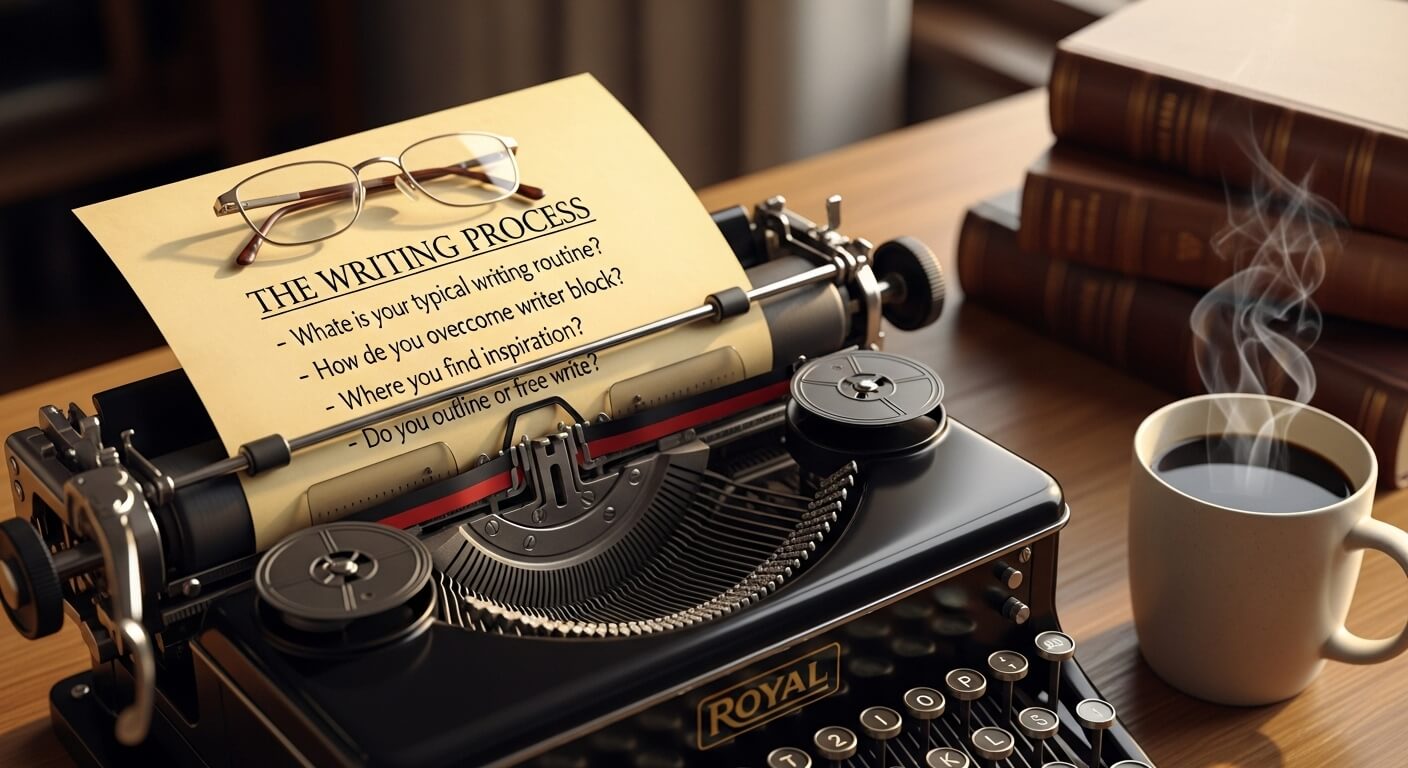
Every writer has a unique way of bringing words to life. Some follow strict routines; others rely on bursts of inspiration in the quiet hours of the night. Behind every finished book, poem, or article lies a fascinating story about discipline, creativity, and discovery.
If you’ve ever wanted to peek behind the curtain of a writer’s mind, asking thoughtful, open-ended questions can reveal their motivations, habits, and the artistry behind their craft. Whether you’re a journalist, blogger, student, or fellow writer, these are some of the best questions to ask a writer about their writing process, and why each one matters.
1. When did you first realize you wanted to be a writer?
Every creative journey has an origin story. Asking when a writer first knew they wanted to write invites them to revisit that defining moment of passion or curiosity. Some may recall writing stories as children; others might have discovered writing later in life through a transformative experience.
This question often opens the door to understanding how their love for storytelling began and what continues to fuel it. It humanizes the writer and sets the tone for an authentic, personal conversation.
2. What does your typical writing routine look like?
For many readers and aspiring writers, this is one of the most fascinating parts of the creative process. Every author’s routine is different—some write at dawn, others late at night; some need silence, while others thrive in the buzz of a café.
By asking about their daily writing habits, you uncover how discipline, environment, and mindset come together to shape productivity. It also helps demystify the idea that inspiration alone drives creativity—structure plays a major role too.
Follow-up prompts:
- “Do you set daily or weekly writing goals?”
- “How do you handle days when the words just don’t flow?”
3. Where do you find inspiration for your ideas?
Great writing begins with inspiration. This question invites writers to talk about the sources that spark their imagination, life experiences, books, music, nature, or even random observations.
Understanding what stimulates their creativity helps readers and other writers see that inspiration is everywhere. It’s not just about waiting for the muse; it’s about staying open to the world and finding meaning in ordinary moments.
Follow-up prompts:
- “Do you keep an idea journal or notes for future projects?”
- “Has your source of inspiration changed over time?”
4. How do you approach the first draft?
The first draft is often the hardest step for any writer. It’s where ideas take form and perfectionism meets patience. Asking this question reveals how the writer balances creativity and self-discipline during those early stages.
Some writers plan meticulously before writing; others dive in and discover the story as they go. Hearing about their approach gives valuable insight into how they manage fear, uncertainty, and motivation at the beginning of a project.
Follow-up prompts:
- “Do you outline before writing, or do you prefer to improvise?”
- “How do you keep momentum through long writing projects?”
5. What’s your editing process like?
Editing is where raw creativity becomes refined art. This question uncovers how writers transform messy first drafts into polished pieces. Some use multiple revision stages, beta readers, or professional editors. Others rely on instinct and repetition.
By exploring this process, you gain perspective on the balance between creativity and precision. It also highlights how self-criticism, patience, and persistence shape the final version of any work.
Follow-up prompts:
- “How do you know when a piece is truly finished?”
- “Do you enjoy editing, or is it the hardest part for you?”
6. Do you ever face writer’s block? If so, how do you overcome it?
Every writer, no matter how experienced, encounters creative obstacles. This question helps them share their personal strategies for breaking through mental barriers. Some might take a walk, switch projects, or read books that reignite their creativity.
Discussing writer’s block normalizes the struggle and offers practical advice for others who face it. It’s also a great way to reveal how mindset, discipline, and self-compassion play crucial roles in a writer’s success.
Follow-up prompts:
- “What’s the most effective method you’ve found for reigniting creativity?”
- “Do deadlines help or hinder your creative flow?”
7. How do you develop your characters or ideas over time?
This question delves into story development and creative evolution. For fiction writers, it might involve crafting believable characters, building relationships, or exploring moral conflicts. For non-fiction or poetry writers, it could mean refining concepts or emotional themes.
Asking how they develop their ideas reveals the deep thought and emotional investment that go into storytelling. It helps readers appreciate the invisible labor that turns a concept into something powerful and relatable.
Follow-up prompts:
- “Do your characters ever surprise you by acting differently than planned?”
- “How do you know when an idea is worth pursuing?”
8. What role does research play in your writing process?
Even the most imaginative stories often rely on real-world details. This question gives writers the chance to talk about how they gather information, through books, interviews, travel, or personal experiences.
Research can bring authenticity to fiction and credibility to non-fiction. It also shows how curiosity fuels creativity, reminding readers that good writing is as much about learning as it is about imagination.
Follow-up prompts:
- “Have you ever uncovered something unexpected during research?”
- “How do you balance factual accuracy with creative freedom?”
9. What part of the writing process do you enjoy most—and least?
This question encourages honesty. Some writers love the thrill of new ideas; others find joy in revision and fine-tuning language. Conversely, there are parts of the process every writer finds challenging—editing, self-doubt, or staying consistent.
By exploring both sides, you paint a complete picture of what it means to live the writer’s life—the triumphs, the frustrations, and everything in between.
Follow-up prompts:
- “How do you stay motivated through the more difficult stages?”
- “What keeps you coming back to writing even when it’s tough?”
10. What advice would you give to someone struggling with their own writing process?
Ending with this question invites reflection and wisdom. Writers often have hard-earned lessons from years of practice, failure, and persistence. Their advice can be encouraging for anyone learning to navigate their own creative path.
The answers often reveal not only technique but philosophy—how patience, curiosity, and self-belief sustain a writer through every stage of creation.
Follow-up prompts:
- “What’s the most valuable writing lesson you’ve learned?”
- “If you could tell your younger writing self one thing, what would it be?”
Making the Most of the Conversation
When you’re interviewing a writer, your goal isn’t just to collect answers, it’s to create connection. Here are a few ways to ensure the conversation flows naturally and stays engaging:
- Research before the interview. Familiarize yourself with the writer’s work and background so your questions feel informed and personal.
- Start with open-ended questions. Let them expand freely instead of giving one-word answers.
- Listen actively. Follow up on interesting points—they often lead to the most meaningful insights.
- Encourage storytelling. Writers love to tell stories, even about their own process. Give them space to share anecdotes and experiences.
- End on an uplifting note. Asking about future projects or advice leaves both the writer and the audience inspired.
Why These Questions Matter
The writing process is more than just putting words on a page, it’s an act of exploration, discipline, and emotion. By asking thoughtful questions, you gain access to the hidden layers of creativity that make each writer unique.
- You learn how habits and rituals shape consistency.
- You uncover how inspiration evolves into full stories.
- You discover how editing and research refine raw creativity into art.
- And most importantly, you understand that every writer’s process is deeply personal yet universally human.
Through these conversations, you not only connect with the artist behind the work but also gain lessons that can fuel your own creative journey.
Final Thoughts
Every writer’s process is a blend of chaos and clarity, frustration and fulfillment. When you ask the right questions to ask a writer about their writing process, you uncover what drives them to keep going, even when words come slowly or ideas feel distant.
Whether you’re interviewing a novelist, poet, journalist, or screenwriter, these questions help you explore the heart of creativity—the moments of inspiration, the rituals that build consistency, and the reflections that turn experience into story.
Behind every page lies a process, and behind every process lies a person who dared to write. Asking these questions lets their story unfold in its truest form.