You might be thinking, “I just want to write my book, not become a marketer!” And trust me, I get it. Writing a book is already a huge accomplishment. But here’s the hard truth: even the best book won’t reach readers on its own. In today’s world, readers don’t magically stumble across your masterpiece—they need to know it exists.
Marketing isn’t about annoying your audience or being “salesy.” It’s about sharing your story in ways that connect, engage, and excite readers. Think of it this way: your book is a gift, and marketing is how you make sure the right people get it. This includes strategies like how to promote your book on Barnes and Noble, where optimizing your book page, leveraging reviews, and participating in promotions can make a huge difference in reaching readers.
Consider this: two books of equal quality can have vastly different outcomes. One sits quietly on a digital shelf, gathering dust. The other builds a loyal fanbase, spreads through word of mouth, and even turns readers into lifelong followers. The difference? Marketing and audience-building.
By putting some thought into strategy—who your readers are, where they hang out, and how to engage them—you’re not just selling a book; you’re creating a community around your work. This community will celebrate your launch, share your story, and stick with you for the next book.
And the good news? Marketing can be creative, fun, and even rewarding, especially when you approach it as storytelling rather than cold promotion. It’s about building relationships, showing readers why your book matters, and giving them reasons to care.
Proven Strategies to Market Your Book and Grow Your Audience
Marketing a book is more than just posting links or running ads—it’s about connecting your story with the right readers. Effective book marketing combines strategy, creativity, and relationship-building to ensure your work reaches people who will truly appreciate it.
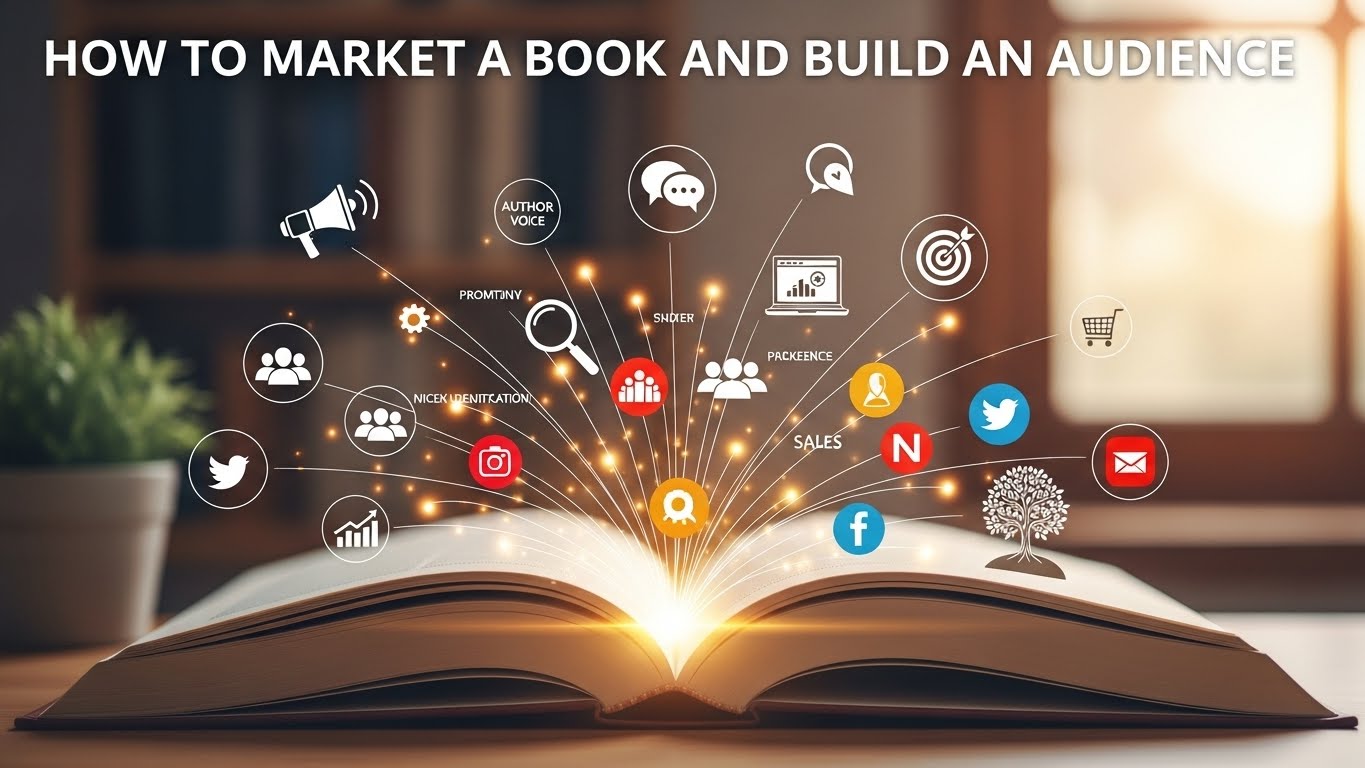
It involves understanding your audience, creating engaging content, building an online presence, leveraging both organic and paid channels, and nurturing long-term reader loyalty. By approaching marketing as an extension of your storytelling, you don’t just sell a book—you invite readers into your world, spark conversations, and grow a dedicated audience eager for your next release.
1. Think About Your Readers First
Before worrying about marketing tactics, think deeply about your ideal reader. Who are they? What problem does your book solve for them? What emotions will it stir?
Instead of generic audience definitions, visualize a single person: your “reader avatar.” Give them a name, age, hobbies, and even favorite books. This makes your marketing feel personal and keeps you focused on connecting with real people, not just chasing numbers.
Example: A romance novelist might picture “Anna, 32, loves cozy cafés and chick-lit, follows bookstagrammers on Instagram, and enjoys reading before bed.” Marketing directly to “Anna” makes everything—from social media posts to email campaigns—more effective.
2. Start Sharing Your Author Journey
Readers love to feel part of the story behind the book. Sharing your writing process, personal anecdotes, and even challenges make you relatable and builds loyalty.
- Talk about how a character came to life, or what inspired your book’s theme.
- Share funny or frustrating writing moments.
- Show your workspace or “writing rituals” on social media.
These posts don’t just promote your book—they give readers a reason to care about you as an author.
3. Build Your Platform Gradually
Your platform is your “home base” where readers can find you. It doesn’t need to be huge from day one; it just needs to exist.
- Website: A professional-looking website with book info, a newsletter signup, and a blog if possible.
- Email list: Even 50 subscribers who love your writing are more valuable than thousands of random social media followers.
- Social media: Focus on one or two platforms and show consistency rather than trying to be everywhere at once.
The goal is to create touchpoints where readers can connect with you and keep coming back.
4. Make Your Book Launch an Event
A book launch isn’t just publishing—it’s an opportunity to create excitement. Think of it like a small party for your readers.
- Pre-launch buzz: Share teasers, cover reveals, or snippets from the book.
- Launch day activities: Host a live Q&A, Instagram Live, or book giveaway.
- Collaborate: Invite fellow authors or influencers to share your launch.
A launch event gives your book momentum and generates initial reviews, which are crucial for visibility.
5. Use Storytelling in Marketing
Marketing doesn’t have to be salesy. The most effective campaigns tell stories that draw readers in.
- Share characters’ backstories or excerpts from the book.
- Post short “micro-stories” inspired by your book world.
- Use your personal journey or challenges to connect emotionally.
Storytelling builds anticipation and emotional investment, which often leads to word-of-mouth promotion.
6. Tap Into Communities
Readers love to connect over shared interests. Find communities where your audience hangs out:
- Online: Goodreads groups, Facebook groups, Reddit communities.
- Local: Book clubs, libraries, or writing workshops.
- Events: Book fairs, panels, or author meet-and-greets.
Don’t just drop your book link—participate in discussions, offer value, and engage authentically. Communities can become your strongest marketing tool.
7. Collaborate with Other Creators
Networking with other authors, bloggers, or influencers helps expand your reach.
- Co-host giveaways or challenges.
- Exchange guest blog posts.
- Interview or feature each other on podcasts or social media.
When done genuinely, collaboration can multiply your audience and introduce your work to readers who might never have found it otherwise.
8. Leverage Reviews and Testimonials
Nothing builds trust like social proof.
- Encourage readers to leave reviews on Amazon, Goodreads, or your website.
- Highlight testimonials on social media or your website.
- Ask experts, bloggers, or influencers for endorsements if possible.
Even a handful of thoughtful reviews can dramatically influence new readers.
9. Offer Free Content Strategically
Free content is a powerful tool to attract readers.
- Free chapters or short stories: A taste of your writing can hook readers into buying the full book.
- Downloadable resources: If your book is nonfiction, offer checklists, guides, or templates.
- Interactive content: Quizzes, challenges, or worksheets related to your book’s theme can be engaging.
The key is to provide genuine value that encourages readers to stick around.
10. Build Long-Term Relationships
Marketing isn’t just about a one-time push—it’s about nurturing relationships over time.
- Keep readers engaged with regular updates, behind-the-scenes stories, and newsletters.
- Listen to feedback and interact with comments and messages.
- Celebrate your readers: feature fan art, host virtual book clubs, or offer exclusive perks.
A loyal audience not only buys your books—they evangelize them.
How to Market a Book and Build an Audience: A Complete Guide for Authors
Writing a book is an incredible achievement, but if you think your work will sell itself, it’s time for a reality check. Even the most brilliantly written books need strategic marketing and audience-building to reach readers. Fortunately, marketing doesn’t have to be overwhelming or impersonal. With the right approach, it can be exciting, creative, and even fun.
Planning Your Book Launch: The Timeline That Works
Think of a book launch like hosting a party—but instead of guests showing up at a venue, they arrive online, eager to engage with your work. Planning is key, and a well-structured timeline makes the process manageable.
Pre-Launch (4–8 weeks before release)
This is where anticipation starts to build. You want readers to feel excited even before the book is available.
- Cover Reveal: Your book cover is a visual hook. Consider a countdown to the full reveal or posting partial images, encouraging guesses from your followers. This generates engagement and curiosity.
- Email List Growth: Your email list is your most valuable marketing asset. Offer a free chapter, a downloadable resource, or a behind-the-scenes glimpse in exchange for newsletter sign-ups. This ensures you have a ready audience eager to buy on launch day.
Launch Week
Launch week is your moment to shine and maximize visibility.
- Social Media Blitz: Post consistently across your chosen platforms. Mix content—storytelling posts, live sessions, videos, and countdowns. Engagement matters more than frequency; respond to comments and start conversations.
- Giveaways and Contests: Offer signed copies, exclusive bonus content, or bundled prizes. Encourage participants to tag friends and share posts to amplify reach organically.
Post-Launch (Weeks After Release)
Even after launch week, your marketing shouldn’t stop. Momentum is key.
- Reviews and Testimonials: Encourage readers to leave reviews on Amazon, Goodreads, or your website. Highlight positive reviews on social media for credibility.
- Collaborations: Partner with book bloggers, influencers, or fellow authors for continued exposure. Guest posts or joint promotions work well here.
A visual timeline or checklist for each stage makes this entire process less overwhelming and easier to execute.
Leveraging Paid and Organic Traffic
Marketing works best when you use a combination of organic strategies and paid promotions. Each has its strengths, and together they create a powerful ecosystem for discovery.
Organic Traffic
- Social Media: Share meaningful content that tells a story rather than just promoting your book. Behind-the-scenes posts, polls, and interactive questions help build a community.
- Blogs and Guest Posts: Write about topics related to your book. If your book is about productivity, share tips or actionable strategies on your blog or as a guest post on relevant websites.
- Podcasts and Interviews: Guest appearances allow you to reach audiences already interested in your niche. Share your story, writing journey, or insights.
Paid Traffic
- Facebook and Instagram Ads: These platforms allow precise targeting based on demographics, interests, and behavior. Test small budgets first to identify what resonates with your audience.
- Amazon Ads: Target readers actively searching for books in your genre. Optimize campaigns with tracking links to monitor conversions.
- BookBub Promotions: Paid placements here can dramatically increase visibility among readers who are actively looking for book deals.
Pro Tips: Track metrics, experiment with different strategies, and combine organic and paid efforts to maximize reach and engagement.
Advanced Tactics for Audience Growth
Once your book is launched, building a loyal audience requires creativity and interaction. Passive promotion isn’t enough; readers want to feel involved.
- Interactive Content: Quizzes, polls, challenges, or surveys related to your book can engage readers. For example, a fantasy author could create a quiz like “Which magical creature are you?” linked to their characters.
- Book Clubs and Discussion Groups: Provide discussion questions or host virtual sessions. Encourage readers to share their thoughts and interact with the story.
- Cross-Promotions with Other Authors: Joint giveaways, newsletter swaps, anthologies, or bundled promotions can introduce your work to entirely new audiences.
The goal is active engagement—readers who participate are more likely to become loyal fans.
Retaining Your Audience Long-Term
The real success lies in converting one-time buyers into lifelong fans. Retention is as much a part of marketing as acquisition.
- Exclusive Content: Offer sneak peeks, bonus chapters, behind-the-scenes videos, or author notes. Make your readers feel special.
- Fan Engagement: Encourage reviews, fan art, or reader-submitted stories. Share them publicly to foster community and recognition.
- Consistent Communication: Maintain regular newsletters or social media updates. Share tips, personal stories, or book insights to keep readers engaged.
Long-term engagement ensures your next book launch has an audience ready and excited.
SEO and Online Discovery Tips
Even the best book needs to be discoverable online. Optimizing for search engines and marketplaces ensures potential readers find your work.
- Optimize Book Pages: Include relevant keywords in your title, subtitle, description, and metadata. Think about the search terms readers use to find books like yours.
- Create Content Around Your Book: Blog posts, guides, or listicles related to your book topic can drive organic traffic.
- Social Media Hashtags: Use niche-specific and trending hashtags for discoverability. Engage with users who use similar hashtags.
SEO is ongoing. Even small, consistent efforts pay off over time, driving new readers to your book long after launch.
Conclusion
Marketing a book and building an audience doesn’t have to feel overwhelming. By thinking about your readers first, sharing your journey, creating engaging content, and nurturing relationships, you can turn your book into a story people not only read but remember and share.
Remember, it’s a long game. Success comes from consistency, creativity, and connection. Start small, experiment, and enjoy the process—your next loyal reader is just waiting to discover your book.