Introduction: The Literary Landscape of 2026 and the Publishers Weekly Seal of Excellence
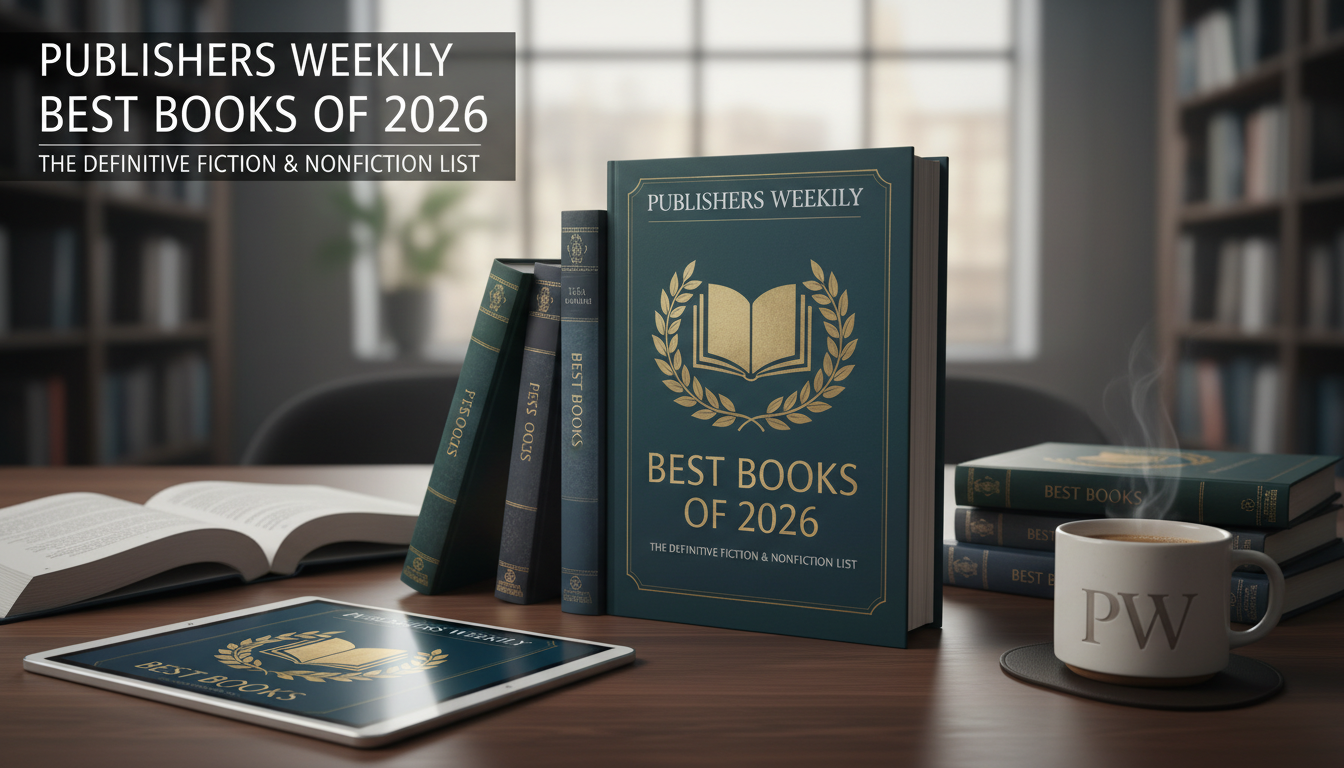
In the dynamic world of publishing, few accolades carry as much weight as a mention in Publishers Weekly (PW). Often referred to as the "bible of the book business," this publication has guided librarians, booksellers, and avid readers for over a century. As we look toward the literary horizon, the Publishers Weekly Best Books of 2026 list stands as the definitive forecast of excellence in fiction and nonfiction. This annual curation is not merely a list; it is a barometer of cultural shifts, intellectual currents, and the evolving art of storytelling.
The anticipation surrounding the 2026 selections is palpable. The industry is currently witnessing a renaissance in genre-blending fiction and a surge in authoritative, research-driven nonfiction. For authors, securing a spot on this prestigious list is a career-defining moment that signals arrival, relevance, and supreme quality. But what does it take to make the cut? Whether you are an industry insider, a literary enthusiast, or an aspiring author looking to understand the mechanics of bestsellers, this comprehensive guide delves deep into the trends, criteria, and anticipated masterpieces defining the 2026 literary year.
From the resurgence of epic historical narratives to the granular exploration of artificial intelligence in nonfiction, the Publishers Weekly Best Books of 2026 promises to be a collection that mirrors our complex world. In this article, we explore the definitive fiction and nonfiction contenders, analyze the rigorous selection process, and highlight how professional ghostwriting services are increasingly becoming the secret engine behind many of these chart-topping titles.
The Gold Standard: Understanding the Publishers Weekly Selection Criteria
The Rigor Behind the Reviews
To understand the significance of the Publishers Weekly Best Books of 2026, one must appreciate the sheer volume of content filtered by PW’s editorial team. Thousands of galleys arrive at their offices annually, yet only a select few receive the coveted "starred review," and fewer still make the year-end "Best Books" list. The selection process is a masterclass in editorial scrutiny, prioritizing innovation, prose quality, and thematic resonance over commercial hype.
Critics look for voices that challenge the status quo. In fiction, this often means narratives that push the boundaries of structure—novels that are not just read but experienced. In nonfiction, the emphasis shifts to authority and clarity. Does the book offer a fresh perspective on history? Does it simplify complex scientific concepts without diluting them? The 2026 list is expected to favor books that offer deep, immersive experiences, countering the fragmented attention spans of the digital age.
The Role of Timing and Buzz
While quality is paramount, timing plays a crucial role. Books published in the latter half of 2025 and throughout 2026 are the primary contenders. Industry buzz, often generated at trade shows like the London Book Fair and Frankfurt Book Fair, sets the stage. However, PW prides itself on discovering hidden gems—debut novels and independent press releases that might otherwise fly under the radar. This commitment to discovery is what makes the Publishers Weekly Best Books of 2026 a truly definitive resource for finding the next great American novel or the definitive biography of the decade.
Top Strategies for Authors Aiming for the 2026 List
Achieving critical acclaim is rarely an accident. Behind many of the titles that will appear on the Publishers Weekly Best Books of 2026 list are strategic decisions regarding craft, positioning, and production. Here are the most effective pathways to literary excellence:
1. Partnering with Elite Ghostwriting Services
It is the publishing industry’s open secret: a significant percentage of high-performing nonfiction and celebrity fiction is crafted by professional ghostwriters. For business leaders, politicians, and visionaries, time is a scarce resource. Professional Ghostwriting Services bridge the gap between a brilliant idea and a polished manuscript. These experts understand the nuances of pacing, tone, and structure required to earn a starred review from Publishers Weekly.
By collaborating with a ghostwriter, an author ensures that their voice is captured authentically while the narrative architecture adheres to industry standards. In 2026, as the bar for quality rises, the demand for high-tier ghostwriting is expected to peak, directly influencing the quality of books appearing on best-of lists. This partnership allows subject matter experts to produce "definitive" texts that define their niche without spending years mastering the craft of writing itself.
2. Focusing on Deep, Researched Narratives
Surface-level content no longer suffices. The trends for 2026 indicate a reader hunger for depth. Fiction that weaves complex historical tapestries and nonfiction that relies on rigorous, primary-source research are favored. Authors are advised to invest heavily in the research phase or hire researchers to support their writing process.
3. Embracing Genre Fluidity
The rigid boundaries between genres are dissolving. The 2026 list will likely feature thrillers with literary prose, science fiction with deep philosophical underpinnings, and memoirs that read like fast-paced novels. Authors who dare to blend genres—creating "upmarket" fiction—are better positioned to catch the eye of PW critics.
Fiction Forecast: The Trends Defining 2026
The Return of the Epic
After years of minimalism, 2026 is shaping up to be the year of maximalism in fiction. We anticipate the Publishers Weekly Best Books of 2026 to be populated by sprawling multi-generational sagas. These novels, often exceeding 500 words, offer readers an escape into fully realized worlds. Themes of legacy, climate migration, and the reconstruction of society are expected to dominate, reflecting our collective anxiety and hope about the future.
Speculative Fiction Meets Reality
Speculative fiction is moving closer to home. Instead of far-off galaxies, the best sci-fi of 2026 will likely explore the "five minutes into the future" scenario. Expect novels tackling the integration of AI into human relationships, the ethics of biotechnology, and the shifting dynamics of digital privacy. PW critics have historically favored speculative works that serve as social commentary, and 2026 will be no exception.
Cozy Horror and Psychological Depth
A surprising trend is the rise of "cozy horror" and deeply psychological thrillers. These books eschew gore for atmosphere, focusing on the uncanny and the unsettling. They align with a reader desire for catharsis in a controlled environment. The writing in this category has elevated significantly, moving from pulp to prestige, making it a strong contender for the "Best Books" accolades.
Nonfiction Forecast: Authority and Insight
The New Wave of Business & Leadership Books
The business section of the Publishers Weekly Best Books of 2026 will likely move away from generic "hustle culture" advice. Instead, look for titles focusing on sustainable leadership, corporate ethics in the age of AI, and the psychology of remote workforces. This is where ghostwriting services shine brightest, helping CEOs articulate complex management philosophies into readable, transformative books.
Memoirs with a Message
Celebrity memoirs are a staple, but the 2026 list will favor those that offer more than just gossip. The best memoirs will be those that use personal experience as a lens to examine broader societal issues—mental health, systemic inequality, or the immigrant experience. The craft required to weave personal anecdote with cultural criticism is immense, often requiring the steady hand of a co-author or editor.
History and Biography
Biographies of overlooked historical figures, particularly women and minorities, continue to perform well. The 2026 slate includes anticipated comprehensive histories of the early 21st century, offering the first wave of historical analysis on the 2020s. These "first drafts of history" are critical for libraries and educational institutions, making them shoo-ins for PW recognition.
Why the "Best Books" List Matters for the Industry
Impact on Sales and Rights
A spot on the Publishers Weekly Best Books of 2026 list is an instant sales booster. Librarians use these lists to allocate budgets, and independent bookstores create front-of-store displays based on them. Furthermore, international rights agents and Hollywood scouts monitor these lists closely. A "Best Book" designation often leads to translation deals and film optioning, exponentially increasing an author’s reach.
The Trust Factor
In an era of self-publishing and algorithm-driven recommendations, the human curation of Publishers Weekly offers a badge of trust. It signals to the reader that a human expert has read, analyzed, and vouched for the content. This authority is invaluable in a saturated market.
Detailed Category Breakdown: What to Watch
Literary Fiction
Expect to see heavy hitters returning in 2026. Rumors circulate about new works from established Pulitzer winners. The criteria here will be sentence-level perfection and emotional resonance. Key themes: Memory, digital identity, and ecological grief.
Mystery & Thriller
The 2026 list will likely highlight diverse voices in crime fiction. Narratives set in underrepresented locations or featuring protagonists from marginalized backgrounds are bringing fresh energy to the genre. The "locked room" mystery is also seeing a modern reinvention, utilizing technology as a plot device.
Science & Nature
With climate change being a central discourse, nature writing is evolving. The Publishers Weekly Best Books of 2026 in this category will likely feature books that offer solutions and hope rather than just warnings. "Cli-fi" (climate fiction) and "Cli-non-fi" are merging, with narrative nonfiction becoming a powerful tool for environmental advocacy.
The Value of Professional Book Production
Behind the scenes of the Publishers Weekly Best Books of 2026, there is a machine of production excellence. A great idea alone does not make a best book. It requires professional editing, cover design, and often, ghostwriting.
For aspiring authors observing this list, the takeaway is clear: invest in quality. Whether it is hiring a developmental editor to refine the plot or engaging a ghostwriter to bring a vision to life, professional support is the differentiator between a manuscript that languishes and one that lands on the definitive list of the year.
Frequently Asked Questions
When is the Publishers Weekly Best Books of 2026 list released?
The list is typically released in late October or early November of the calendar year. This timing allows booksellers to stock the titles for the holiday season and libraries to adjust their end-of-year purchasing.
How can an author get their book considered for the list?
Books must be submitted to Publishers Weekly for review usually 3-4 months prior to publication. Securing a "starred review" upon initial publication is the strongest indicator that a book is a contender for the year-end Best Books list.
Does Publishers Weekly review self-published books?
Yes, through their BookLife program, Publishers Weekly reviews self-published titles. A select few that demonstrate exceptional quality can receive a star and be considered for broader recognition, though the main list is dominated by traditionally published works.
What is the difference between a starred review and the Best Books list?
A starred review is given to a book at the time of its release to indicate exceptional merit. The Best Books list is a curated selection drawn primarily from the pool of starred reviews at the end of the year, representing the "best of the best."
How does ghostwriting affect a book’s chances of making the list?
Ghostwriting can significantly improve a book’s chances, especially in nonfiction. Professional ghostwriters ensure the narrative flow, structure, and clarity meet professional publishing standards, allowing the author’s expertise to shine without being hindered by poor writing mechanics.
Conclusion
The Publishers Weekly Best Books of 2026 list represents the pinnacle of literary achievement for the year. It captures the zeitgeist, championing books that not only entertain but also inform, challenge, and inspire. From the intricate world-building of future fiction classics to the rigorous intellect of definitive nonfiction, this list serves as a guidepost for quality.
For readers, it is a treasure map of the year’s finest stories. For authors, it is the ultimate goal—a testament to craft, vision, and the power of the written word. As we move closer to 2026, the trends indicate a year rich with diverse voices, hybrid genres, and deep, meaningful narratives. Whether you are reading these books or aspiring to write one, understanding the standards of Publishers Weekly is essential to navigating the modern literary world. By prioritizing excellence—often achieved through collaboration with professional editors and ghostwriters—authors can aspire to see their own names among the best.