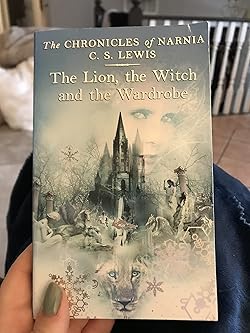
C.S. Lewis’s “The Lion, the Witch and the Wardrobe“ is the first book in The Chronicles of Narnia series, first published in 1950. This timeless fantasy novel transports readers to the magical land of Narnia, where four siblings—Peter, Susan, Edmund, and Lucy—embark on an adventure that intertwines courage, betrayal, redemption, and sacrifice.
Plot Summary
The story begins with the Pevensie children being evacuated from London during World War II. They are sent to live with an old professor in the countryside. While exploring the house, Lucy, the youngest sibling, stumbles upon an old wardrobe that leads her into Narnia, a world frozen in eternal winter by the White Witch. She befriends a faun named Mr. Tumnus, who explains that Narnia is cursed under the Witch’s rule.
After returning home, Lucy’s siblings dismiss her story about Narnia, thinking it’s imaginary. However, when they all venture into the wardrobe together, they find themselves in Narnia, where they learn of an ancient prophecy. The prophecy foretells that two sons of Adam and two daughters of Eve will bring an end to the Witch’s reign and restore peace to the land.
Edmund, initially selfish and tempted by the Witch’s promises, betrays his siblings, but soon realizes his mistake. With the help of Aslan, a noble lion representing good, the children join forces to fight the White Witch. The story culminates in a battle for Narnia, where Aslan sacrifices himself for Edmund, fulfilling the prophecy and bringing about springtime.
Themes
The novel delves into several profound themes. One of the most prominent is the battle between good and evil, represented by Aslan and the White Witch. Aslan’s sacrificial act for Edmund symbolizes redemption and forgiveness. Edmund’s journey, from betrayal to salvation, teaches that even those who falter can be redeemed.
Another key theme is the importance of courage and selflessness. The Pevensie siblings must overcome personal struggles, face their fears, and unite for a common cause. Family loyalty and unity also play crucial roles in the story as the children work together to defeat the Witch.
Characters
The characters are well-crafted and relatable. Lucy, brave and pure-hearted, is the first to believe in Narnia and plays a central role in guiding her siblings. Edmund’s transformation from selfishness to selflessness adds depth to his character. Peter and Susan, the older siblings, take on leadership roles, growing in maturity as they fight for Narnia’s freedom.
Aslan is the embodiment of wisdom, justice, and sacrifice, while the White Witch represents tyranny and evil. Their contrasting qualities highlight the moral dichotomy at the heart of the novel.
Conclusion
C.S. Lewis’s The Lion, the Witch and the Wardrobe is an enchanting and thought-provoking adventure that blends fantasy with essential life lessons. Its timeless themes of courage, betrayal, and redemption, along with its unforgettable characters, make it a must-read for readers of all ages.
Final Verdict: 5/5
This classic tale of Narnia remains a beloved part of fantasy literature, continuing to inspire readers with its heartwarming story and important moral lessons.