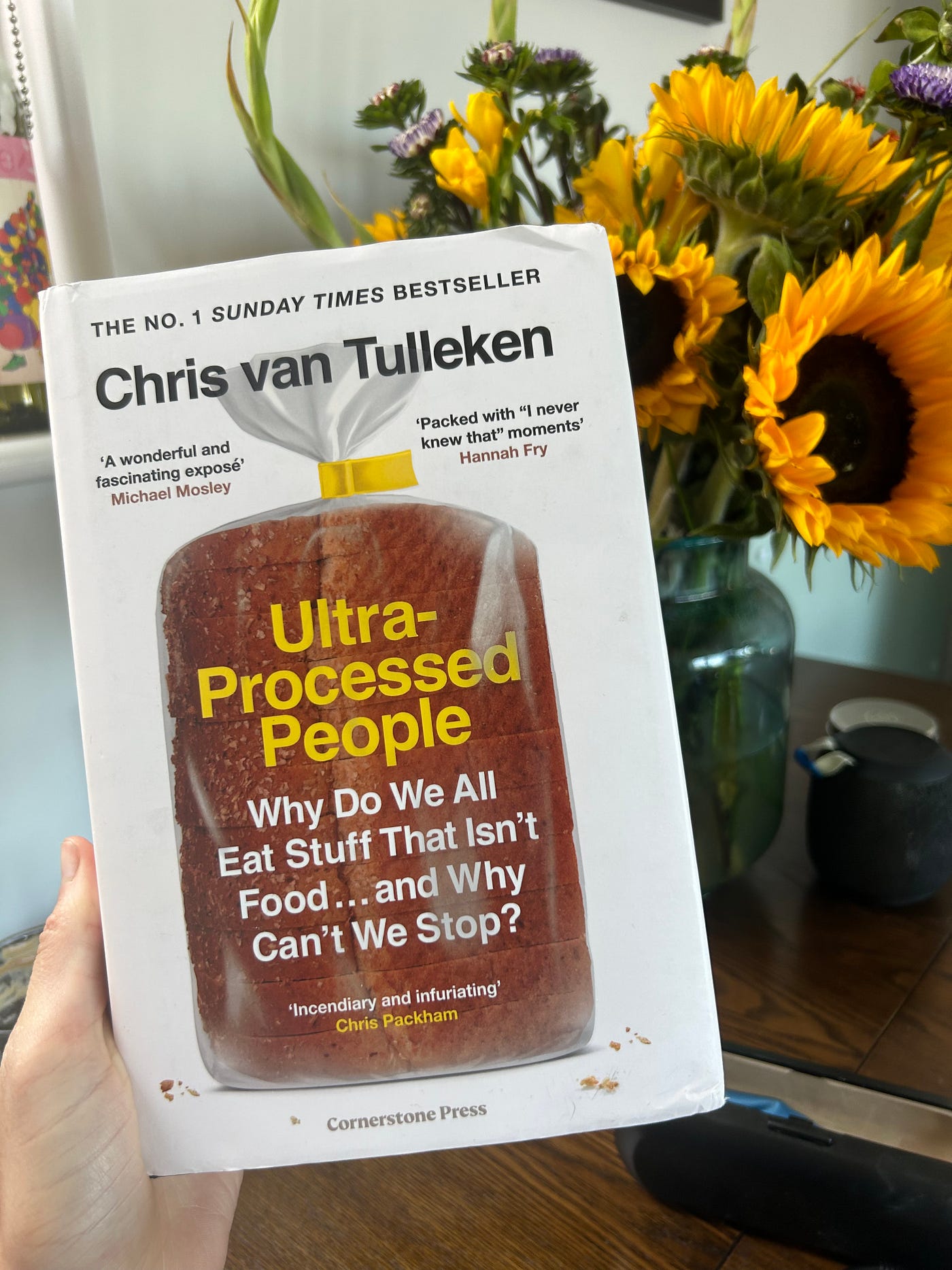
Ultra-Processed People: Why Do We All Eat Stuff That Isn’t Food and Why Can’t We Stop? by Chris van Tulleken is an eye-opening exploration of the modern food system and its impact on our health. Drawing from extensive research, personal experiences, and the latest scientific findings, van Tulleken delves into the world of ultra-processed foods—foods that have been altered to the point where they bear little resemblance to their natural origins. With a blend of personal anecdotes, interviews with experts, and a compelling narrative, van Tulleken seeks to answer a simple yet complex question: Why do we keep eating food that isn’t really food?
Overview of the Book
In Ultra-Processed People, Chris van Tulleken takes readers on a journey through the science, history, and consequences of ultra-processed foods. He explains how these foods—often high in sugar, salt, fats, and chemicals—have become the cornerstone of modern diets, and how they contribute to the global rise in obesity, chronic disease, and mental health issues. Van Tulleken goes beyond simply outlining the problems, addressing the root causes, including food industry practices, the role of advertising, and the cultural shifts that have led us to embrace ultra-processed foods.
The book is divided into three parts: the first delves into the science behind ultra-processed foods and their effects on the body; the second examines the societal impact, particularly how these foods have permeated cultures across the globe; and the third focuses on practical advice for consumers to break free from the grip of processed food. Van Tulleken shares his own personal journey, including an experiment where he and his twin brother ate only ultra-processed foods for a month to observe the effects on their health. The results of this experiment, along with others, provide powerful insights into the dangers of these foods.
Themes and Insights
At its core, Ultra-Processed People tackles the growing epidemic of diet-related diseases and challenges the modern food system. Van Tulleken emphasizes the role of the food industry in shaping our eating habits, arguing that ultra-processed foods are specifically engineered to be addictive, leading to overeating and poor health. He highlights the disconnect between the food we eat and the nourishment our bodies actually need. One of the book’s most important themes is the exploration of how culture and convenience have shaped the way we view food—leading us to prioritize ease, taste, and cost over nutritional value.
Additionally, van Tulleken also examines the psychological effects of ultra-processed foods, noting how they can alter brain chemistry and influence behavior, cravings, and overall mental health. He draws on scientific studies to demonstrate how certain ingredients, like sugar and artificial additives, can create dependency-like effects.
Writing Style and Approach
Van Tulleken’s writing is clear, engaging, and highly accessible. He strikes a balance between scientific explanation and storytelling, making complex concepts easy to understand without being overly simplistic. The personal anecdotes, particularly the experiment with his twin brother, add an element of relatability and humor to the narrative. His conversational tone makes the book approachable, while the use of research and expert insights lends it authority and credibility.
Strengths and Weaknesses
One of the major strengths of Ultra-Processed People is its comprehensive approach to the issue of ultra-processed foods. Van Tulleken does an excellent job of explaining the science, history, and cultural context behind the rise of processed foods, offering readers a well-rounded understanding of the topic. The inclusion of practical advice for reducing ultra-processed foods in one’s diet also makes the book actionable, not just informative.
However, some readers may find the book repetitive at times, especially when revisiting certain points about the addictive nature of processed foods. While the book is filled with valuable information, the pace can occasionally slow when focusing on the scientific details.
Conclusion
Ultra-Processed People is a thought-provoking and insightful book that shines a light on the hidden dangers of the foods we consume every day. Chris van Tulleken provides a compelling argument against ultra-processed foods, showing how they contribute to a wide range of health issues and exploring the societal forces that drive us toward them. With its mix of science, personal narrative, and practical tips, this book is an essential read for anyone interested in improving their diet, understanding the modern food system, or simply becoming more conscious of what they put into their bodies.
Rating: 4.5/5
Ultra-Processed People is a powerful and informative book that challenges readers to rethink their relationship with food and provides actionable steps for a healthier lifestyle. Van Tulleken’s ability to combine personal stories with scientific insight makes this a valuable read for anyone concerned with the impact of modern diets on health.