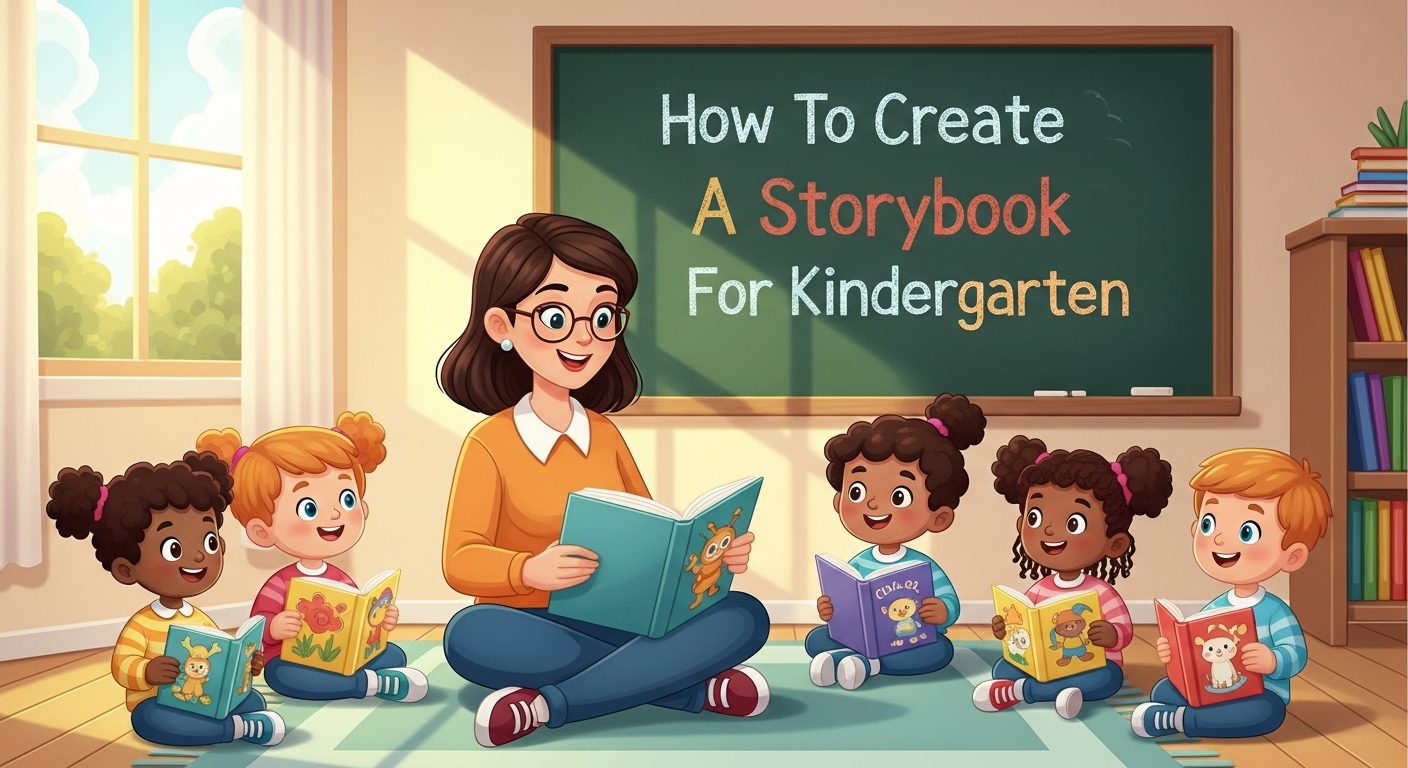
Creating a storybook for kindergarten children is a delightful and rewarding process that combines imagination, education, and empathy. These books are often a child’s first gateway into the world of reading, making it essential to strike a balance between fun and foundational learning. Whether you’re an aspiring children’s author, a teacher, a parent, or a creative professional, this guide walks you through every step of crafting a compelling, age-appropriate storybook for young readers.
Understanding the Kindergarten Audience
Before writing or illustrating anything, you must understand who you’re creating the book for. Kindergarten-aged children are typically 4 to 6 years old. At this stage, they are:
- Developing basic literacy and vocabulary
- Learning to identify emotions and social cues
- Easily engaged by rhythm, rhyme, and repetition
- Drawn to colorful, expressive illustrations
- Gaining an understanding of right and wrong
Step-by-Step Guide to Creating a Kindergarten Storybook
Step 1: Choose a Child-Friendly Theme
Your story should revolve around a theme that resonates with young minds. Consider topics that reflect their daily experiences or imaginative worlds. Common kindergarten themes include:
- Friendship and sharing
- Emotions and feelings
- Animals and nature
- Family and community
- Exploration and curiosity
- Problem-solving and moral lessons
Avoid complex topics like death, politics, or existential themes unless you are equipped to handle them with sensitivity and positivity.
Step 2: Create a Simple, Engaging Plot
At the heart of every good story is a simple plot. For kindergarteners, it should follow a clear beginning, middle, and end. A good model to follow is the “problem-solution” structure:
- Beginning – Introduce the character and setting.
- Middle – Present a conflict or problem.
- End – Resolve the conflict with a positive outcome.
Example:
Beginning: A puppy wants to find his favorite red ball.
Middle: He searches through the house and yard but can’t find it.
End: With the help of a new friend, he finds the ball and learns the value of teamwork.
Step 3: Create Memorable Characters
Your protagonist should be relatable, lovable, and consistent. Animal characters are often a hit with young kids, especially if they display human-like qualities (anthropomorphism). But human children as characters work equally well when they reflect emotions or situations kids can identify with.
Character Tips from Professional Editors:
- Use simple, descriptive names: “Benny the Brave Bunny” or “Luna the Curious Girl.”
- Give your character one main goal or desire.
- Add a sidekick or friend to introduce dialogue and teach social interaction.
Step 4: Focus on Language and Rhythm
The best storybooks for this age group use repetition, rhymes, and onomatopoeia to make the language engaging and musical. Keep sentences short—preferably 5 to 10 words—and pages should have no more than 1 to 3 sentences.
Helpful language elements:
- Alliteration: “Sammy the Squirrel snuck slowly.”
- Rhyme: “The cat wore a hat as he sat on the mat.”
- Onomatopoeia: “Boom!” “Meow!” “Splash!”
Professional children’s book writers often read their manuscripts aloud to catch rhythm and pacing issues. Try it—you’ll hear what works and what doesn’t.
Step 5: Keep Page Structure and Word Count in Mind
For kindergarten readers, aim for 24–32 pages with 500–800 words total. Some books go even shorter, especially if designed as beginner readers. Remember that the illustrations will carry a large part of the narrative.
Suggested Structure:
- Page 1: Title Page
- Page 2: Introduction of main character and setting
- Pages 3–22: Development of the problem and key events
- Pages 23–30: Climax and resolution
- Pages 31–32: Closing image or line, possibly a moral
Step 6: Create Illustrations That Tell the Story
Illustrations in kindergarten storybooks are just as important—if not more—than the text. Young children often rely on visuals to understand the plot and character emotions.
If you’re not an illustrator, hire one or collaborate with a professional illustrators. Editors often recommend illustrators who specialize in early childhood books. You can also create a “storyboard” or visual script to communicate how you see each scene.
Illustration guidelines:
- Use bold, bright colors
- Maintain consistent character design
- Avoid clutter or overly detailed scenes
- Show actions clearly and emotionally
- Use white space to reduce visual overload
Step 7: Edit and Revise with Professional Input
Even short storybooks need multiple rounds of editing. Work with an experienced children’s book editor who can review for:
- Age-appropriate language
- Pacing and flow
- Character consistency
- Grammar and rhythm
- Page breaks and layout
Kindergarten storybooks require precision. One extra word or a confusing phrase can disrupt the reading experience.
Pro tip: Beta test your story with real kids. Teachers, librarians, and parents can provide valuable feedback on how your story performs in a read-aloud session.
Step 8: Design and Formatting for Print or Digital
Once the text and illustrations are final, it’s time to format your storybook. This can be done in collaboration with a graphic designer or book formatter. Key considerations include:
- Trim size (8” x 10” is common)
- Font (large, clear fonts like Century Gothic or Comic Sans)
- Text placement (preferably under the illustration or on a separate page)
- Margins and bleed for printing
- Resolution of illustrations (at least 300 dpi)
Step 9: Add a Moral or Learning Message (Gently)
A good storybook offers more than just entertainment—it leaves children with a message. However, avoid being preachy. Let the story subtly convey the lesson through actions and outcomes rather than dialogue or exposition.
Example:
Instead of saying, “Sharing is good,” show two characters learning to share a toy and both feeling happy.
Step 10: Consider Publishing Options
While self-publishing and digital platforms are widely available, many writers prefer to submit their manuscripts to children’s book publishers. Either route requires your story to be professionally polished.
Writers and editors play a vital role here—formatting the manuscript, creating a synopsis, and ensuring your pitch is strong. If you’re self-publishing, consider hiring a book layout designer to ensure a print-ready file.
Final Tips from Children’s Book Experts
- Keep testing your story by reading it aloud.
- Always check your book’s readability with your intended age group.
- Never underestimate the power of a good illustrator.
- Don’t overload pages with text—let the pictures speak too.
- Use humor, rhyme, and emotional moments to keep kids engaged.
FAQs
Q1: How long should a kindergarten storybook be?
500 to 800 words is ideal, spread across 24–32 illustrated pages.
Q2: Do I need a professional illustrator?
Yes, if you can afford it. Illustrations are crucial for young readers and should match the quality of the story.
Q3: Should the story teach a lesson?
Yes, but subtly. Let the narrative show the message without spelling it out.
Q4: Can I write in rhyme?
Absolutely—but make sure it sounds natural and doesn’t sacrifice meaning for rhythm.
Q5: Do I need an editor for such a short book?
Yes. Even short stories benefit from professional editing for flow, clarity, and age-appropriateness.
Final Thought:
Creating a storybook for kindergarten is both an art and a science. It demands a deep understanding of young minds, attention to detail, and collaboration with editors and illustrators. When done right, it not only entertains but also becomes a child’s cherished memory, shaping their earliest reading experiences and lessons about life.