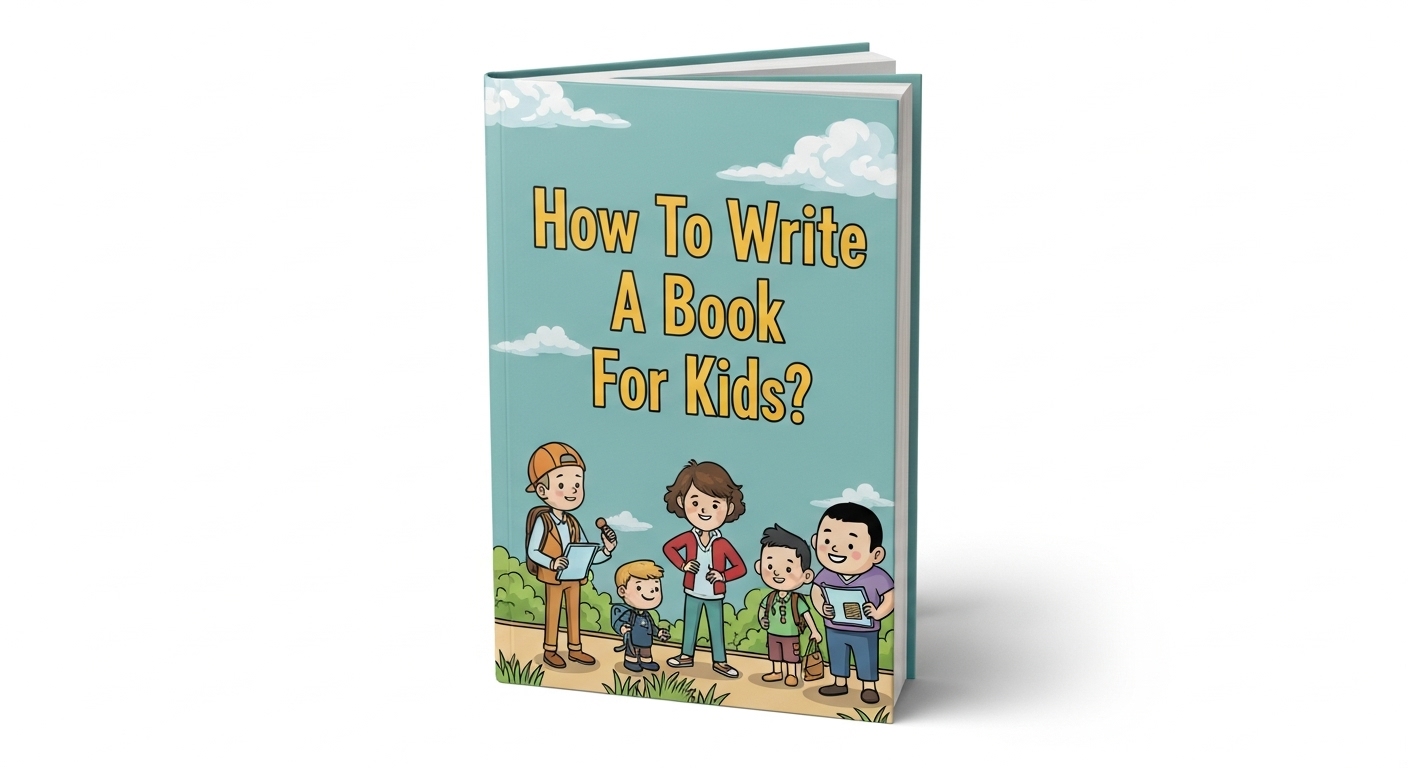
Writing a children’s book may seem simple at first glance, but crafting a story that resonates with young readers requires skill, understanding, and a deep appreciation of how children experience stories. Whether you’re aiming to write a picture book for toddlers or a chapter book for early readers, this guide will walk you through the complete process of how to write a book for kids—from idea to publication—while highlighting where writing, editing, and publishing services may come into play.
Understand Your Audience
The first step to writing a successful children’s book is knowing who you’re writing for. The age of your target audience will influence your vocabulary, sentence structure, themes, illustrations, and even page count. Here’s a breakdown:
- Board Books (Ages 0–3): Very simple words and concepts, lots of repetition, heavy reliance on visuals.
- Picture Books (Ages 3–7): Typically 500–1,000 words, told in short sentences and vibrant illustrations.
- Early Readers (Ages 6–8): 1,000–3,000 words with simple sentences and short chapters.
- Chapter Books (Ages 7–10): 3,000–10,000+ words, divided into chapters with increasing plot complexity.
- Middle Grade (Ages 8–12): 20,000–50,000 words, deeper themes, character development, and complex plots.
Understanding your readers’ developmental stage helps in crafting a book that speaks to their imagination and cognitive abilities.
Develop a Memorable Concept
Children’s books thrive on big ideas told simply. You need a concept that captures attention and holds emotional or imaginative value. Ask yourself:
- Is the idea age-appropriate?
- Does it have emotional depth or humor?
- Can the story teach a lesson subtly?
- Is it imaginative or grounded in a relatable reality?
Whether it’s a dinosaur with stage fright or a girl who finds courage in her shadow, your concept must be engaging and unique, yet accessible to your target age group.
Build Compelling Characters
Children connect with characters they can relate to, admire, or laugh at. When developing your main character(s), consider the following:
- Age: Characters are usually close to the age of the reader or slightly older.
- Goals and Motivations: What does your character want, and what stands in their way?
- Relatability: Give them flaws, dreams, fears, and growth arcs.
- Voice: A character’s tone and manner of speaking should reflect their personality and age.
Children enjoy characters who are active, make choices, solve problems, and show growth.
Craft a Simple Yet Strong Plot
The plot of a children’s book should be clear and easy to follow, but that doesn’t mean it has to be dull. Keep the classic story structure in mind:
- Beginning (Setup): Introduce the character and the world.
- Middle (Conflict): Present the problem or challenge.
- End (Resolution): Show how the character solves the problem and grows.
Use cause-and-effect storytelling. Avoid complicated subplots, especially for younger readers. Even if your story is fantastical, keep the emotional journey grounded in real feelings.
Embrace the Power of Language
Language in children’s books should be engaging, rhythmic, and readable. Depending on the age group:
- For toddlers and preschoolers: Use repetition, rhymes, and playful sounds.
- For early readers: Use simple sentences and high-frequency words.
- For middle-grade readers: Introduce rich vocabulary while maintaining clarity.
Reading your draft aloud is a great way to test how the language flows. Children respond well to lyrical storytelling, surprising words, and strong imagery.
Use Visual Thinking (Even for Non-Illustrators)
Illustrations are critical in children’s books, especially in picture books and early readers. Even if you’re not an illustrator, you must think visually:
- Write scenes that offer clear illustration opportunities.
- Use descriptive language that helps artists imagine the scene.
- Allow room in your text for pictures to tell part of the story.
For authors not planning to illustrate themselves, many turn to professional book illustrators or publishers with in-house artists. You’ll need to collaborate to ensure text and images work in harmony.
Write with Structure in Mind
Children’s books often have predictable patterns and pacing. In picture books, each page turn should offer a new piece of the story or surprise. Chapter books need hooks at the end of each chapter. Pay attention to:
- Pacing: Keep momentum flowing with purposeful scenes.
- Length: Stay within the word count for your category.
- Page Breaks: Especially in picture books, structure the story in 12–16 spreads (usually 32 pages total).
Having a rough outline before you begin helps avoid wandering plots and ensures balance throughout the book.
Revise and Edit Thoroughly
Even the simplest children’s story requires rigorous editing. Revise for clarity, emotional impact, and narrative consistency. Here’s what to check:
- Is the story appropriate for the age group?
- Are the sentences tight and readable?
- Do characters feel authentic?
- Does every line serve a purpose?
At this stage, many authors turn to professional editing services, especially developmental editors who specialize in children’s books. They can provide detailed feedback on pacing, plot structure, and age-appropriate language.
Seek Feedback from Your Audience
Beta reading with actual children can be invaluable. You’ll learn:
- Which parts they enjoy most
- Where they lose interest
- Whether the humor, message, or emotional beats land
Also consider feedback from parents, teachers, or librarians who understand children’s reading preferences. Be open to revising based on this insight.
Understand the Role of Illustrators
If your book requires illustrations, you’ll either need to hire a illustrator or work with a publisher who pairs you with one. Keep in mind:
- You typically don’t need to provide illustrations when submitting to traditional publishers.
- If self-publishing, you’ll need to coordinate illustrations, layout, and cover design.
Illustrations must complement the tone and style of your story. Choose an illustrator with a portfolio that fits your vision, and clearly communicate layout preferences, character appearance, and mood.
Design and Layout Matter
Children’s books need well-considered layout and design to enhance readability and aesthetic appeal. For self-published authors:
- Hire a book designer experienced in formatting for children’s books.
- Use large, readable fonts and ample white space.
- Make sure text and illustrations don’t compete on the page.
Professional formatting services can help ensure your final product meets print and digital publishing standards.
Choose a Publishing Path
There are two main routes to publishing your children’s book:
- Traditional Publishing
Submit your manuscript to literary agents or publishers specializing in children’s books. Most traditional publishers prefer text-only submissions; they will match your story with an illustrator.
- Pros: No upfront cost, professional editing/design, wider distribution.
- Cons: Competitive, long wait times, less creative control.
- Self-Publishing
Self-publishing gives you control over every aspect—editing, illustrations, design, pricing, and marketing.
- Pros: Full creative control, faster publishing, higher royalty potential.
- Cons: You bear all costs (editing, design, marketing), and must manage the business side.
If choosing self-publishing, consider using professional publishing services to handle ISBN registration, formatting, print-on-demand setup, and global distribution.
Promote Your Book
Once your book is ready, promotion begins. Marketing a children’s book involves both digital and grassroots efforts:
- Create a website or author page
- Engage on social media (Instagram and Pinterest are popular for children’s authors)
- Connect with schools, libraries, and bookstores
- Offer author visits or storytelling sessions
- Submit to award contests and book fairs
Marketing may also involve the help of book publicists or marketing consultants who specialize in children’s literature.
You can also take inspiration from brands like WonderWraps Personalized Books, which creatively engage young readers by offering personalized storytelling experiences—showing how thoughtful customization can make children feel directly connected to the story.
Common Mistakes to Avoid
- Preaching or moralizing: Let the story deliver the message naturally.
- Overcomplicating language: Keep it age-appropriate.
- Neglecting pacing: Children get bored quickly—every scene should matter.
- Skipping editing: Errors in spelling or grammar ruin the reading experience.
- Not testing with real kids: What works for adults doesn’t always work for children.
Avoiding these pitfalls will help your story connect with its intended audience.
Final Thoughts
Writing a children’s book is a labor of love that requires creativity, empathy, and attention to detail. Whether you’re inspired by your own childhood, your kids, or a wild idea that won’t leave your mind, following a structured process—from brainstorming and writing to editing and publishing—will greatly increase your chances of success. Don’t hesitate to use writing, editing, or publishing services where necessary—they can elevate your story from good to unforgettable.