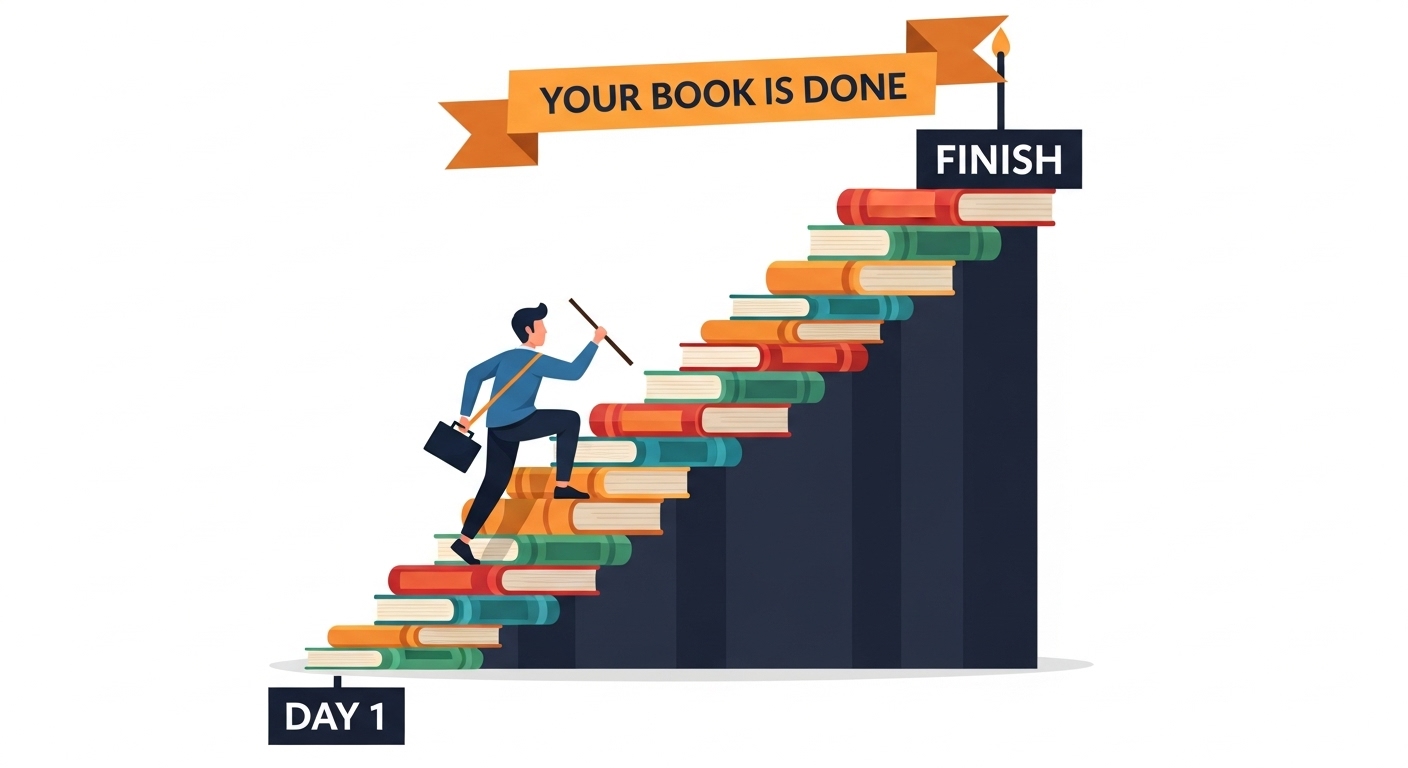
Writing a book in a month might sound like a daunting challenge, but it’s entirely achievable with the right planning, discipline, and mindset. Whether you’re a first-time author or a seasoned writer seeking a structured goal, completing a manuscript in 30 days requires strategy, creativity, and commitment. This comprehensive guide walks you through every crucial step—from brainstorming and outlining to writing, editing, and preparing for publication—all within one productive month.
Set Your Intention and Define Success
Before putting pen to paper, clarify your motivation. Are you writing to publish or simply to finish a personal goal? Define what “success” means to you. It could be finishing a 50,000-word draft, completing a novella, or finally capturing that story that’s been on your mind for years.
Setting a clear intention helps guide your pace and keeps you focused when obstacles arise. Consider journaling your reason for writing the book—this reminder can be a powerful motivator during tougher writing days.
Choose the Right Idea
The best idea to write in a month is one you’re passionate about. Avoid complex plots that require intensive research or multi-layered narratives that can drag you off course. Instead, pick a topic or story you already have some knowledge or experience with.
Ask yourself:
- What story have I always wanted to tell?
- What message do I want to share?
- What themes matter to me?
Once you’ve settled on your idea, refine it into a single, compelling sentence. This becomes your North Star.
Create a Solid Outline
Outlining is a powerful tool for speed and structure. A good outline eliminates decision fatigue, helps you stay organized, and minimizes writer’s block.
Try the Three-Act Structure:
- Act I: The Setup (Beginning)
Introduce your main characters, setting, and the central conflict. - Act II: The Confrontation (Middle)
Raise stakes, build tension, introduce twists, and deepen character arcs. - Act III: The Resolution (End)
Resolve conflicts, answer core questions, and conclude character journeys.
Break your outline down into 30 smaller chunks—one for each day. These can be chapters, scenes, or word count goals.
Establish a Daily Writing Routine
Writing a book in a month means showing up every single day. Here’s how to structure your daily commitment:
- Set a word count goal: Aim for 1,600–2,000 words per day to hit 50,000–60,000 words in 30 days.
- Choose a fixed writing time: Morning, lunch, evening—consistency builds momentum.
- Create a distraction-free environment: Silence notifications, shut the door, and use tools that minimize interruptions.
Writing in short sprints (25–30 minutes with 5-minute breaks) can keep your focus sharp and fatigue low.
Use Writing Tools and Techniques to Boost Productivity
Make the most of your time by using writing tools and methods that help you write faster and more effectively.
- Dictation software: Speaking your book aloud can dramatically increase your word count.
- Writing software with goal tracking: Apps that track progress help you stay accountable.
- Pomodoro Technique: 25 minutes of focused writing followed by a 5-minute break works well for many writers.
- Mind mapping: Before writing a scene, sketch its emotional beats and plot points visually.
Silence the Inner Critic (First Drafts Aren’t Perfect)
One of the biggest traps writers fall into is editing while writing. Resist the urge to revise as you go. The goal of a first draft is to get the story down, not to make it perfect.
You can:
- Use placeholders (e.g., [insert fight scene], [check fact]) and move on.
- Embrace “bad” writing—clumsy sentences can be polished later.
- Remind yourself that done is better than perfect.
The first draft is about raw creation. Let your creativity lead without restraint.
Handle Burnout and Stay Motivated
Midway through the month, it’s normal to feel drained or uninspired. Keep your energy and motivation up with these tactics:
- Reward yourself for milestones: A treat after every 5,000 words can go a long way.
- Join writing communities: Online groups or local writing sprints provide camaraderie.
- Read or rewatch inspiring stories: Consuming good storytelling can reignite your own.
Most importantly, forgive yourself if you miss a day. Just get back on track without guilt.
Editing Your Manuscript (Post-Writing Phase)
Once your draft is finished—congratulations! But the work doesn’t end here. Editing is where your story takes its true shape.
Step-by-Step Editing Plan:
- Rest the manuscript: Take 2–3 days off before revisiting it with fresh eyes.
- Do a read-through: Fix structural issues—plot holes, pacing, character inconsistencies.
- Line edit: Focus on sentence-level clarity, grammar, and rhythm.
- Proofread: Check for typos, formatting errors, and polish.
If you’re short on time or unsure of your editing skills, this is where professional editing services can be extremely helpful. A developmental editor can provide feedback on story structure, while copyeditors and proofreaders ensure language precision and professionalism.
Prepare for Publishing (Traditional or Self-Publishing)
Once you’ve edited your manuscript, you can begin preparing it for publication. You have two main paths:
Traditional Publishing
- Write a query letter and synopsis.
- Submit to literary agents or publishers.
- Wait for responses and be prepared for rejections.
- If accepted, the publisher handles editing, design, and distribution.
Self-Publishing
- Hire a freelance editor for final polishing.
- Work with a professional book cover designer.
- Format the book for print and eBook.
- Upload to platforms like Amazon KDP or IngramSpark.
- Launch with a marketing plan (social media, newsletters, author website).
Even if you’re not ready to publish immediately after the month, you’ll have a complete manuscript that can be refined over time.
Consider Professional Services to Support Your Journey
While writing is often a solo endeavor, you don’t have to do everything alone. Many writers benefit from the support of professional services:
- Book coaches or mentors: Help keep your writing on track and provide feedback.
- Ghostwriters: If you struggle with execution but have a strong idea.
- Beta readers: Provide early reactions to your draft.
- Editing services: Structural, copyediting, and proofreading assistance.
- Publishing consultants: Guide you through the self-publishing process.
Hiring help doesn’t diminish your authorship—it elevates your work to professional standards.
Final Thoughts: You Can Do This
Writing a book in a month is challenging, but it’s also empowering. By carving out time each day, staying committed to your vision, and embracing imperfection, you’ll not only finish a manuscript—you’ll gain a deeper understanding of your own voice as a writer.
And remember: your first draft is the beginning of something greater. With editing, feedback, and persistence, that fast-written manuscript could become a published book that resonates with readers around the world.
Quick Recap Checklist
- ✅ Define your goal and idea
- ✅ Outline the story into manageable pieces
- ✅ Write daily with a realistic word count target
- ✅ Silence the inner critic—no editing during drafting
- ✅ Use tools and techniques that enhance your workflow
- ✅ Edit with clarity and structure after the draft is done
- ✅ Seek professional help if needed for polishing or publishing
- ✅ Celebrate your accomplishment!
FAQs
Q1: Can I really write a quality book in a month?
Yes, especially if you focus on completing a first draft. Quality comes with revision and editing later.
Q2: How many words should I aim for?
50,000 to 60,000 words is typical for many novels and achievable with 1,700–2,000 words per day.
Q3: What if I miss a day?
Don’t panic—adjust your daily goal slightly to catch up over the next few days.
Q4: Do I need an editor even if I revise it myself?
Yes. A professional editor offers objective feedback and catches issues you may overlook.
Q5: Is self-publishing worth it?
Absolutely. It gives you control and quicker access to readers, especially if you’re willing to market your book.