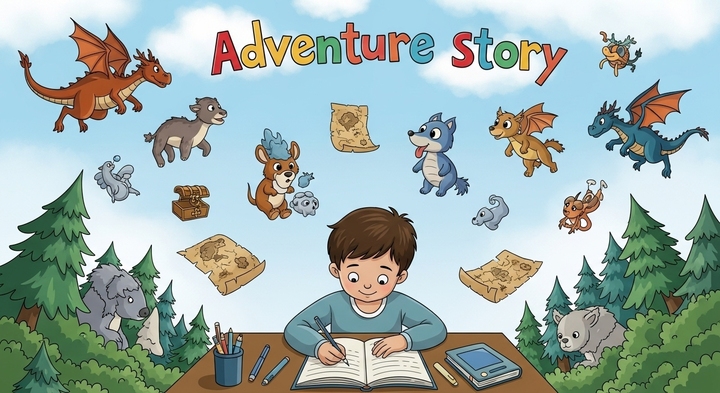
Writing an adventure story for kids is a magical experience. It allows young readers to explore faraway lands, confront thrilling challenges, and meet unforgettable characters—all from the safety of their imagination. Whether you’re a parent, teacher, or aspiring author, crafting an engaging children’s adventure tale requires a careful blend of imagination, structure, and clarity. Here’s a complete guide to help you write an adventure story that will leave children turning pages with wide-eyed excitement.
Discover the Heart of the Adventure
Every great adventure begins with a compelling why. What drives the story? What journey awaits the main character? Before outlining the plot, identify the core purpose behind your tale. Is it a quest to find a hidden treasure, rescue a lost friend, solve a mystery, or escape danger?
At this stage:
- Decide on the central conflict or mission.
- Ensure it’s relatable to kids—often centered around courage, curiosity, or friendship.
- Keep the tone adventurous, but age-appropriate.
Tip: Keep stakes high enough to thrill but not overwhelm. Children need excitement, not terror.
Create a Brave and Relatable Young Hero
Children connect most with characters who reflect their own age group, interests, and emotions. The protagonist should be brave, curious, and sometimes flawed—but always learning.
Ask yourself:
- How old is the hero?
- What are their strengths and fears?
- What makes them special but still relatable?
Avoid making your young hero too perfect. The best characters stumble, doubt themselves, and grow. For instance, a shy boy could learn to speak up, or a nervous girl might discover unexpected bravery.
Introduce an Irresistible Setting
The setting is more than a backdrop—it’s part of the magic. Kids crave immersion, whether your world is a jungle filled with mythical creatures or a secret underground tunnel beneath their school.
Choose a setting that fuels the imagination:
- A magical forest
- A distant planet
- A sunken pirate ship
- A hidden door in a library
Use vivid, sensory language to help readers see, hear, and feel the world.
Editing Tip: When proofreading your setting descriptions, check for sensory gaps. Are there smells, sounds, and textures? These make scenes come alive for kids.
Outline the Adventure Arc
Structure is key in children’s stories. Even the wildest adventure needs a roadmap. A basic adventure story arc for kids includes:
- The Ordinary World – Introduce the main character in their normal life.
- The Call to Adventure – Something unusual happens.
- Crossing the Threshold – The hero leaves their world behind.
- Tests and Challenges – Obstacles, puzzles, villains, or dangers arise.
- Climax – The most intense moment, usually involving courage or sacrifice.
- Resolution – The journey ends, and the hero returns changed.
Each section should be engaging and move the story forward. Avoid slow or overly complex scenes.
Fill the Journey with Creative Obstacles
Kids love excitement and surprises. From talking animals and enchanted items to tricky riddles or mischievous sidekicks, keep the journey unpredictable and full of wonder.
Obstacles shouldn’t just be external—add emotional or moral challenges too. These help children learn valuable lessons while staying entertained. For example:
- Should the hero lie to save a friend?
- Can they forgive someone who betrayed them?
- Do they give up or try again?
Add a Colorful Cast of Supporting Characters
Supporting characters can guide, mislead, or challenge the hero. They often serve as mirrors for the protagonist’s development. These may include:
- A wise mentor
- A funny sidekick
- A mischievous rival
- A mysterious stranger
Each should have a role in shaping the journey. Avoid adding characters just for decoration—make sure they contribute to the story’s flow and heart.
Balance Action with Emotion
An adventure story isn’t just a string of wild events—it’s about how those events change the hero. Between the action scenes, include quiet moments for reflection or connection. Let your young readers see how the hero feels.
Examples:
- After escaping a near danger, the hero might miss home.
- Upon helping a stranger, they could feel proud.
- When they lose something, they might cry—but also learn to let go.
These moments allow young readers to connect emotionally and understand deeper themes.
Keep Language Simple but Evocative
Children’s stories should be written in accessible language. Use short sentences, vivid descriptions, and age-appropriate vocabulary. But that doesn’t mean the writing has to be boring. Use metaphor, rhythm, and humor where possible.
Instead of:
“She entered a large, unfamiliar building with strange sounds echoing around her.”
Try:
“The walls creaked like grumpy old trees, and the floor squeaked under her sneakers.”
Write a Satisfying Ending
Kids remember how stories end. Your conclusion should tie up major plot threads and offer emotional payoff. Reflect on what the hero learned. Did they become braver, wiser, or kinder? Let the final pages leave a sense of wonder, joy, or inspiration.
Proofreading Tip: Always re-read your ending aloud. Does it feel complete? Are any loose ends unintentionally left behind?
Polish with Editing and Proofreading
Once your draft is complete, set it aside before reviewing. Fresh eyes catch more errors. Edit for:
- Sentence flow
- Word choice
- Grammar and spelling
- Character consistency
- Plot clarity
Proofreading is essential, especially for kids’ books, where clarity and rhythm are everything. If you’re planning to publish—digitally or traditionally—consider hiring professional editing and proofreading services. These ensure your story meets literary standards and engages young readers seamlessly.
Explore Publishing Options Thoughtfully
After your story is polished, you may want to share it. Options include:
- Self-publishing as a print or e-book
- Submitting to children’s book publishers
- Entering writing contests
- Publishing through educational platforms
Make sure your manuscript is properly formatted and meets submission guidelines. If unsure, editing and publishing services can help prepare your story for its final destination. Look for providers who specialize in children’s literature.
Make Your Book a Best-Seller on Amazon with Expert Support
Make your children’s adventure book a top seller on Amazon with the support of our expert team. From professional editing and meticulous proofreading to tailored publishing assistance, our affordable services are designed to elevate your story and help it stand out in a competitive market. Whether you’re a first-time writer or polishing a manuscript, we ensure your book meets the highest standards—captivating young readers and impressing parents, educators, and publishers alike.
FAQs
Q1. What age group should I write a children’s adventure story for?
Choose a target age (e.g., 6–8, 9–12) and tailor vocabulary, themes, and plot complexity accordingly.
Q2. How long should a children’s adventure story be?
For younger kids, 500–1,000 words is common. For middle-grade readers, aim for 10,000–25,000 words.
Q3. Can a children’s adventure story include scary scenes?
Mild suspense is fine, but avoid intense fear. Keep the tone fun and safe.
Q4. Do I need to illustrate my story?
Illustrations enhance younger children’s books but aren’t required for middle-grade fiction.
Q5. Should I hire an editor before publishing?
Yes—professional editing and proofreading help ensure quality and readiness for readers or publishers.