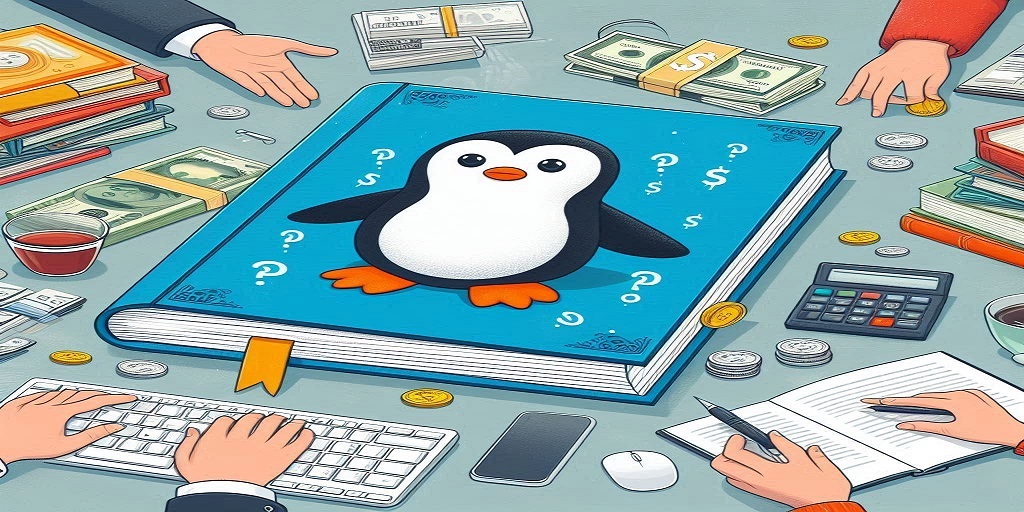
As of my last update, Penguin Random House stands as one of the titans in the global publishing industry, revered for its expansive reach and esteemed reputation. However, the intricacies of the financial investment required to publish a book with Penguin Random House remain undisclosed to the public. The costs entailed in publishing a book with this esteemed publisher are subject to significant variability, contingent upon several key factors that shape the publishing landscape.
First and foremost, the genre of the book plays a pivotal role in determining the associated costs. Different genres necessitate distinct approaches to editing, cover design, and marketing strategies. For instance, a non-fiction manuscript might demand extensive research and fact-checking, thereby incurring higher editorial costs compared to a work of fiction. Similarly, the complexity of the subject matter can influence the resources and expertise required for editing and production. The length of the manuscript is another critical determinant of publishing costs. Longer manuscripts typically entail more extensive editing and formatting processes, potentially escalating production expenses. Conversely, shorter works may necessitate less editing but could still require meticulous attention to detail to ensure a polished final product. Penguin Random House’s commitment to maintaining high editorial standards may translate to varying costs depending on the length and complexity of the manuscript. The author’s platform and reputation within their respective industry or field can significantly impact the costs associated with publishing. Established authors with a sizable following and proven track record may command higher advances and royalties, reflecting the publisher’s confidence in their marketability and potential for commercial success. Conversely, debut authors or those with a limited platform may face additional challenges in securing favorable terms and support from the publisher.
The extent of marketing and promotional efforts required to support the book’s launch and subsequent sales also plays a pivotal role in shaping the overall costs of publishing with Penguin Random House. While the publisher typically invests in marketing and promotional campaigns to maximize the book’s visibility and reach, authors may opt to supplement these efforts with their own initiatives, such as author events, book tours, or targeted advertising campaigns. The scale and scope of these additional promotional activities can vary significantly, exerting a corresponding influence on the overall budget for publishing. Despite the absence of specific cost disclosures from Penguin Random House, prospective authors are encouraged to engage in thorough discussions with the publisher to gain clarity on the financial implications of publishing their book. Transparent communication regarding royalties, advances, editorial services, production costs, and marketing support is essential for authors to make informed decisions about their publishing journey. While the precise costs of publishing with Penguin Random House remain undisclosed, aspiring authors can anticipate a range of expenses contingent upon factors such as genre, manuscript length, author platform, and marketing requirements. By carefully assessing these variables and engaging in open dialogue with the publisher, authors can navigate the complexities of the publishing process with clarity and confidence, positioning their book for success in the competitive literary marketplace.
However, it’s important to understand some general aspects that might contribute to the overall cost of publishing with Penguin Random House:
How much does it cost to publish a book with Penguin?
Determining exactly how much it cost to publish a book with Penguin requires understanding the traditional publishing model. Unlike self-publishing services, Penguin Random House is a traditional publisher, meaning they typically cover all upfront costs for editing, design, printing, and distribution. Authors do not pay the publisher to have their book released. Instead, the “costs” are indirect; you will likely need a literary agent, who typically takes a 15% commission on your earnings. Additionally, while the publisher provides marketing, many authors choose to invest their own capital into external PR firms or social media advertising to ensure their title stands out in a crowded market.
1. Editorial Services:
Editing your manuscript incurs costs that span from developmental editing to copyediting and proofreading. Penguin Random House boasts a team of seasoned editors dedicated to refining manuscripts to the utmost standards. These professionals meticulously review each aspect of the text, providing invaluable feedback and guidance to authors throughout the editing process. Developmental editing focuses on the overall structure, coherence, and narrative flow of the manuscript, ensuring it resonates with readers and fulfills its intended purpose. Copyediting involves scrutinizing the finer details of language usage, grammar, punctuation, and style, ensuring consistency and clarity across the manuscript. Proofreading serves as the final quality check, identifying and rectifying any remaining errors or inconsistencies before the manuscript proceeds to publication. With Penguin Random House’s commitment to excellence in editing, authors can rest assured that their manuscripts receive the attention and expertise needed to elevate them to the highest standards of literary craftsmanship.
2. Cover Design:
Penguin Random House offers cover design services aimed at crafting visually captivating and commercially viable book covers that entice readers. The cost of cover design is subject to fluctuation based on factors such as the intricacy of the design and the inclusion of supplementary graphics or illustrations. Talented designers collaborate with authors to conceptualize and execute cover designs that align with the book’s genre, tone, and target audience. These professionals leverage their expertise to create eye-catching visuals that enhance the book’s marketability and appeal. Whether it’s a striking photograph, elegant typography, or intricate artwork, every element of the cover is meticulously crafted to leave a lasting impression on potential readers. Authors can rely on Penguin Random House’s cover design team to deliver bespoke designs that not only reflect the essence of the book but also stand out amidst the competition. With a keen understanding of industry trends and consumer preferences, Penguin Random House ensures that each book receives a cover design that maximizes its potential for success in the marketplace.
3. Production Costs
Penguin Random House oversees the comprehensive production process of your book, encompassing typesetting, formatting, and printing to guarantee adherence to industry standards. With meticulous attention to detail, the publisher ensures that your book is meticulously typeset and formatted, optimizing readability and visual appeal. Whether it’s a print or digital format, Penguin Random House leverages state-of-the-art technologies and printing techniques to deliver high-quality copies that meet the discerning expectations of readers. From selecting the appropriate paper stock to fine-tuning layout elements, every aspect of production is carefully curated to elevate the overall aesthetic and presentation of the book. By entrusting the production process to Penguin Random House, authors can rest assured that their work will be brought to life with precision and professionalism. With a commitment to excellence in every phase of production, Penguin Random House ensures that each book is impeccably crafted and primed for distribution across a diverse array of platforms and formats, catering to the evolving preferences of modern readers.
4. Marketing and Promotion:
Penguin Random House dedicates resources to strategic marketing and promotional endeavors aimed at amplifying the visibility of your book among its intended audience. These initiatives encompass a diverse array of channels and tactics, spanning online advertising, social media campaigns, author engagements, book tours, and beyond. The publisher tailors each marketing campaign to suit the unique characteristics of the book and the preferences of its target demographic. From captivating digital advertisements to engaging social media content, Penguin Random House employs multifaceted strategies to maximize exposure and generate buzz surrounding the book’s release. The cost of marketing and promotion is contingent upon the scale and complexity of the campaign, with larger-scale initiatives involving higher investments. By leveraging its extensive network and industry expertise, Penguin Random House orchestrates cohesive and impactful marketing campaigns designed to resonate with readers and drive book sales. With a focus on innovation and audience engagement, the publisher remains committed to ensuring that each book receives the attention and promotion necessary to thrive in the competitive literary marketplace.
5. Distribution and Sales:
Penguin Random House assumes responsibility for the comprehensive distribution of your book across a broad spectrum of outlets, including brick-and-mortar bookstores, online retailers, libraries, and various other distribution channels. Through strategic partnerships and extensive networks, the publisher ensures widespread availability of your book to reach diverse audiences worldwide. From coordinating warehousing and inventory management to overseeing shipping logistics and fulfillment operations, Penguin Random House streamlines the distribution process to optimize efficiency and effectiveness. Moreover, the publisher manages sales transactions and distribution logistics seamlessly, handling orders, invoicing, and inventory replenishment with meticulous attention to detail. Additionally, Penguin Random House facilitates returns management, providing support and assistance to retailers and distributors as needed. By entrusting distribution logistics to Penguin Random House, authors benefit from the publisher’s expertise and infrastructure, enabling seamless access to their work across multiple platforms and markets. With a commitment to excellence in distribution services, Penguin Random House plays a pivotal role in ensuring that your book reaches its intended audience and enjoys widespread availability in both physical and digital formats.
6. Royalties and Advance:
Authors typically earn royalties from the sales of their books, with the specific terms outlined in their contract with Penguin Random House. These royalties are calculated as a percentage of the book’s net sales revenue and are typically disbursed on a regular basis, such as quarterly or semi-annually. Additionally, some authors may receive an advance against future royalties, which serves as an upfront payment provided by the publisher upon signing the book contract. The amount of the advance varies depending on factors such as the author’s track record, the anticipated sales potential of the book, and the negotiating leverage of the author. While royalties and advances are essential components of an author’s compensation package, the terms governing these payments are subject to negotiation and can vary significantly from one contract to another. Authors should carefully review and negotiate the royalty and advance provisions in their contracts to ensure they receive fair compensation for their work and contributions to the success of their books.
Conclusion:
Authors embarking on the journey of publishing with Penguin Random House must engage in transparent discussions regarding all foreseeable expenses and financial terms during the contract negotiation phase. It is imperative to thoroughly assess the benefits of collaborating with a traditional publishing powerhouse like Penguin Random House, which offers unparalleled access to top-tier editorial and design services, expansive distribution networks, and robust marketing assistance. These invaluable resources can significantly enhance the visibility and marketability of the author’s work, potentially leading to broader recognition and increased sales. However, authors must carefully weigh these advantages against the associated costs and financial implications. While the prestige and support of a reputable publishing house like Penguin Random House may offer substantial benefits, authors must ensure that the terms of the agreement align with their overarching goals, budget constraints, and publishing aspirations. Ultimately, the decision to partner with Penguin Random House should be a well-informed choice that reflects the author’s strategic objectives and aspirations for their literary career.